Search


引用和文献 (3)
Invitrogen™
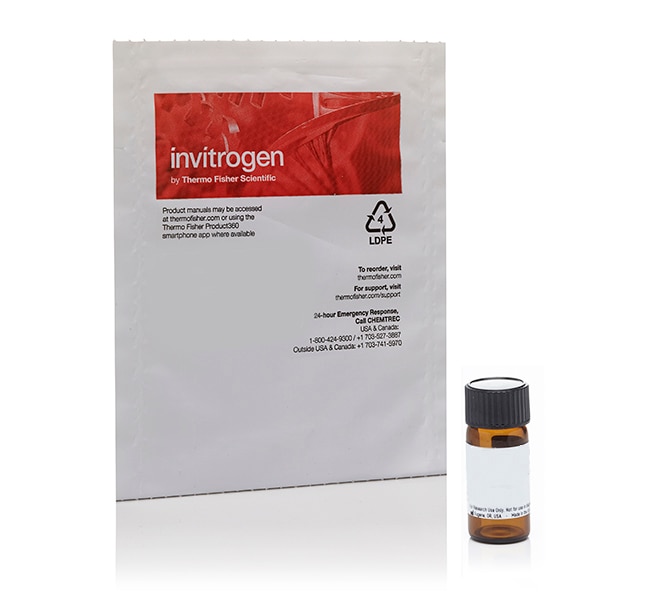
大肠杆菌(K-12 菌株)BioParticles™、Texas Red™ 偶联物
Molecular Probes™ BioParticles™ 产品线包括一系列荧光标记的热或化学灭活的细菌和酵母,其大小、形状和天然抗原性均各异。这些荧光 BioParticles™ 产品一直被荧光显微镜、定量光谱测定法和流式细胞分析用来研究吞噬作用。我们提供的大肠杆菌了解更多信息
| 货号 | 数量 |
|---|---|
| E2863 | 10 mg |
货号 E2863
价格(CNY)
2,829.00
飞享价
Ends: 31-Dec-2026
3,929.00共减 1,100.00 (28%)
Each
数量:
10 mg
价格(CNY)
2,829.00
飞享价
Ends: 31-Dec-2026
3,929.00共减 1,100.00 (28%)
Each
Molecular Probes™ BioParticles™ 产品线包括一系列荧光标记的热或化学灭活的细菌和酵母,其大小、形状和天然抗原性均各异。这些荧光 BioParticles™ 产品一直被荧光显微镜、定量光谱测定法和流式细胞分析用来研究吞噬作用。
我们提供的大肠杆菌(K-12 菌株)、金黄色葡萄球菌(Wood 菌株,不含蛋白 A)和酵母聚糖(酿酒酵母)BioParticles™ 偶联物共价标记有多种不同的荧光基团(偶联后已特别注意去除游离染料)。与荧光素标记的 BioParticles™ 偶联物的荧光不同(这种荧光在酸性环境中会被部分淬灭),Alexa Fluor™、BODIPY™ FL、四甲基罗丹明和 Texas Red™ 染料偶联物的荧光在 pH 3 至 10 范围内均匀明亮。
BioParticles 规格:
• 标记(激发/发射波长):Texas Red™ (∼595/615 nm)
• 颗粒:大肠杆菌(K-12 strain)
• 调理剂请另外购买
使用 BioParticles 产品
BioParticles™ 偶联物以冻干粉形式提供。每 mg 固体大约 3 x 10⁸ 大肠杆菌或金黄色葡萄球菌颗粒,以及每 mg 固体大约 2 x 10⁷ 酵母聚糖颗粒。BioParticles™ 偶联物可在选择用于吞噬作用检测的缓冲液中复溶。结合到细胞表面的 BioParticles™ 偶联物(但未内吞)的荧光可以被溴化乙锭、台盼蓝或其他淬灭基团淬灭。除细胞应用之外,荧光 BioParticles™ 偶联物也可在流式细胞术校准参考品分选细菌及酵母突变株时使用。这些小颗粒也可能是光散射研究的有用参考,因为其大小和形状各不相同。
查找更多 BioParticles™ 产品
我们提供了一系列染料标记和未标记的大肠杆菌(K-12 菌株)、金黄色葡萄球菌(Wood 菌株,不含蛋白 A)和酵母聚糖(酿酒酵母)BioParticles™ 产品。查看 Molecular Probes™ 手册中用于追踪受体结合和吞噬作用的探针—第 16.1 节,了解这些产品及其应用。
关于 pH 敏感性内吞作用检测,请参阅 pHrodo™ BioParticles™ 偶联物。
仅供研究使用。不可用于人或动物的治疗或诊断。
我们提供的大肠杆菌(K-12 菌株)、金黄色葡萄球菌(Wood 菌株,不含蛋白 A)和酵母聚糖(酿酒酵母)BioParticles™ 偶联物共价标记有多种不同的荧光基团(偶联后已特别注意去除游离染料)。与荧光素标记的 BioParticles™ 偶联物的荧光不同(这种荧光在酸性环境中会被部分淬灭),Alexa Fluor™、BODIPY™ FL、四甲基罗丹明和 Texas Red™ 染料偶联物的荧光在 pH 3 至 10 范围内均匀明亮。
BioParticles 规格:
• 标记(激发/发射波长):Texas Red™ (∼595/615 nm)
• 颗粒:大肠杆菌(K-12 strain)
• 调理剂请另外购买
使用 BioParticles 产品
BioParticles™ 偶联物以冻干粉形式提供。每 mg 固体大约 3 x 10⁸ 大肠杆菌或金黄色葡萄球菌颗粒,以及每 mg 固体大约 2 x 10⁷ 酵母聚糖颗粒。BioParticles™ 偶联物可在选择用于吞噬作用检测的缓冲液中复溶。结合到细胞表面的 BioParticles™ 偶联物(但未内吞)的荧光可以被溴化乙锭、台盼蓝或其他淬灭基团淬灭。除细胞应用之外,荧光 BioParticles™ 偶联物也可在流式细胞术校准参考品分选细菌及酵母突变株时使用。这些小颗粒也可能是光散射研究的有用参考,因为其大小和形状各不相同。
查找更多 BioParticles™ 产品
我们提供了一系列染料标记和未标记的大肠杆菌(K-12 菌株)、金黄色葡萄球菌(Wood 菌株,不含蛋白 A)和酵母聚糖(酿酒酵母)BioParticles™ 产品。查看 Molecular Probes™ 手册中用于追踪受体结合和吞噬作用的探针—第 16.1 节,了解这些产品及其应用。
关于 pH 敏感性内吞作用检测,请参阅 pHrodo™ BioParticles™ 偶联物。
仅供研究使用。不可用于人或动物的治疗或诊断。
仅供科研使用。不可用于诊断程序。
规格
细胞类型哺乳动物
检测方法荧光
染料类型Texas Red™
形式实心
数量10 mg
运输条件室温
种属大肠杆菌
适用于(设备)荧光显微镜
产品线BioParticles、Texas Red
产品类型大肠杆菌偶联物
Unit SizeEach
内容与储存
在冷冻冰箱(-5 至 -30°C)中避光储存。
常见问题解答 (FAQ)
Are the Invitrogen BioParticles products sterile?
What is the type of bond that attaches the dyes to the BioParticles probes?
What can the BioParticles product line be used for?
引用和文献 (3)
引用和文献
Abstract
Expression of the voltage-gated sodium channel NaV1.5 in the macrophage late endosome regulates endosomal acidification.
Journal:J Immunol
PubMed ID:17548620
'Voltage-gated sodium channels expressed on the plasma membrane activate rapidly in response to changes in membrane potential in cells with excitable membranes such as muscle and neurons. Macrophages also require rapid signaling mechanisms as the first line of defense against invasion by microorganisms. In this study, our goal was to
Regulation of phagosome maturation by signals from toll-like receptors.
Journal:Science
PubMed ID:15143282
In higher metazoans, phagocytosis is essential in host defense against microbial pathogens and in clearance of apoptotic cells. Both microbial and apoptotic cells are delivered on a common route from phagosomes to lysosomes for degradation. Here, we found that activation of the Toll-like receptor (TLR) signaling pathway by bacteria, but
Glutathione reductase facilitates host defense by sustaining phagocytic oxidative burst and promoting the development of neutrophil extracellular traps.
Journal:J Immunol
PubMed ID:22279102
Glutathione reductase (Gsr) catalyzes the reduction of glutathione disulfide to glutathione, which plays an important role in the bactericidal function of phagocytes. Because Gsr has been implicated in the oxidative burst in human neutrophils and is abundantly expressed in the lymphoid system, we hypothesized that Gsr-deficient mice would exhibit marked