Search
Invitrogen
CD203c Monoclonal Antibody (NP4D6), PE
{{$productOrderCtrl.translations['antibody.pdp.commerceCard.promotion.promotions']}}
{{$productOrderCtrl.translations['antibody.pdp.commerceCard.promotion.promocode']}}: {{promo.promoCode}} {{promo.promoTitle}} {{promo.promoDescription}}. {{$productOrderCtrl.translations['antibody.pdp.commerceCard.promotion.learnmore']}}
{{$ctrl.translations['antibody.pdp.skuNotes.additionalInformation']}}:
Please note: We are reviewing Western blot images included in the antibody testing data in our catalog, including those provided by third parties. Unless expressly labeled or annotated as “raw-unedited”, Western blot images included in the antibody testing data in our catalog may have been edited, optimized or otherwise adjusted for presentation.


产品信息
MA1-10139
产品规格
种属反应
Human
已发表种属
Human
宿主/亚型
Mouse
/ IgG1
分类
Monoclonal
类型
Antibody
克隆号
NP4D6
抗原
HEK-293 cells transfected with human CD203c
偶联物
PE
PE
PE
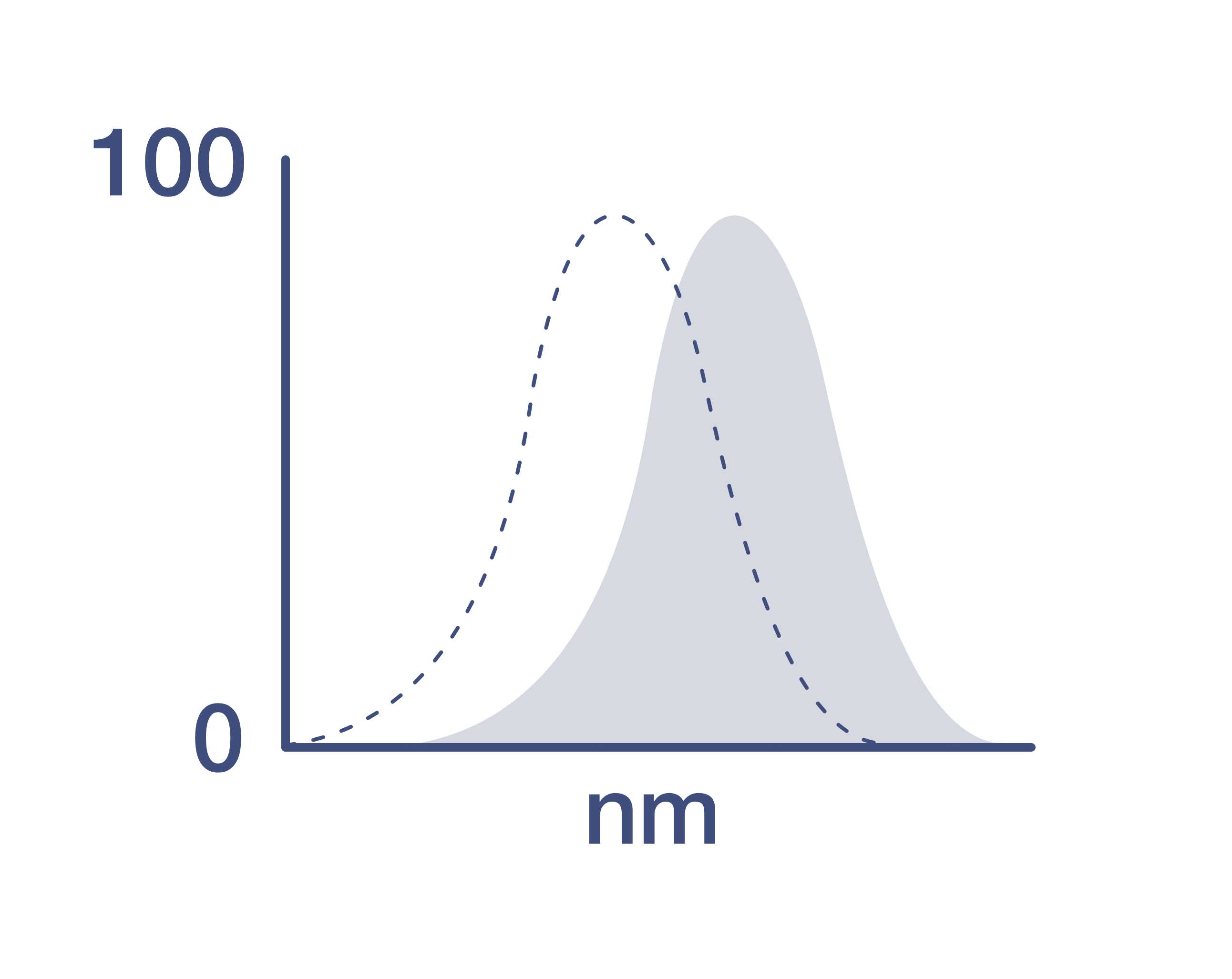
激发/发射光谱
565/576 nm
查看光谱
形式
Liquid
纯化类型
Size-exclusion chromatography
保存液
PBS, pH 7.4, with 0.2% BSA
内含物
15mM sodium azide
保存条件
4°C, store in dark, DO NOT FREEZE!
运输条件
Ambient (domestic); Wet ice (international)
RRID
产品详细信息
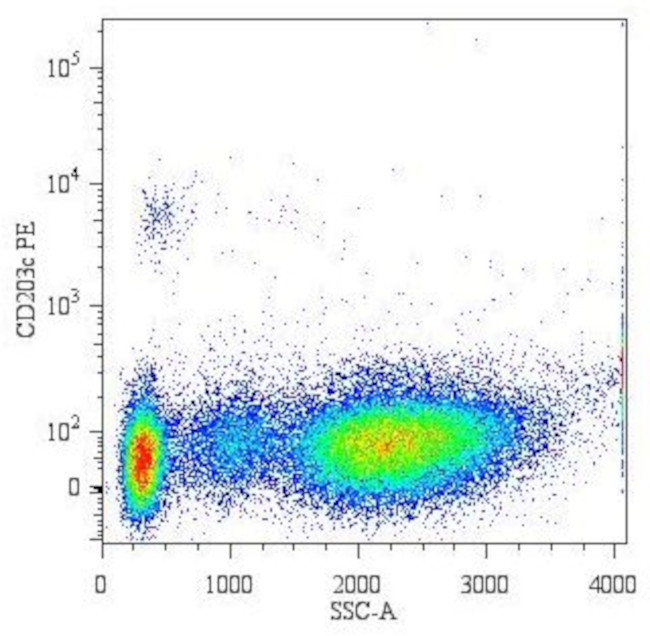
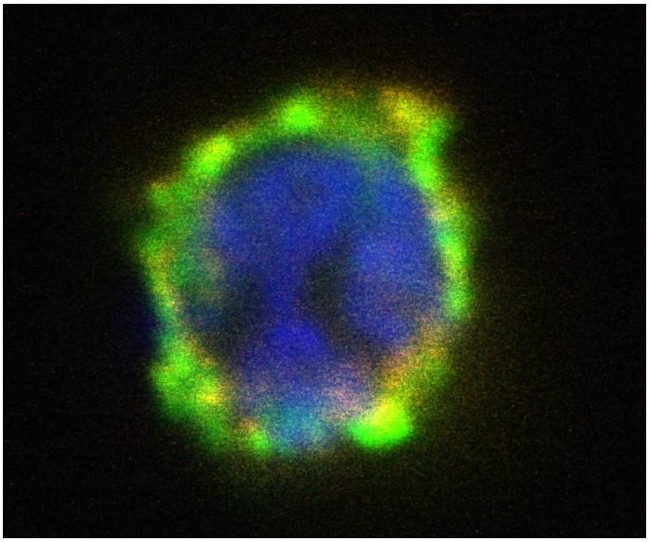
This antibody reacts with an extracellular epitope of CD203c, a transmembrane ectoenzyme expressed on basophils and mast cells, and overexpressed upon their activation.
靶标信息
The protein encoded by this gene belongs to a series of ectoenzymes that are involved in hydrolysis of extracellular nucleotides. These ectoenzymes possess ATPase and ATP pyrophosphatase activities and are type II transmembrane proteins. Expression of the related rat mRNA has been found in a subset of immature glial cells and in the alimentary tract. The corresponding rat protein has been detected in the pancreas, small intestine, colon, and liver. The human mRNA is expressed in glioma cells, prostate, and uterus. Expression of the human protein has been detected in uterus, basophils, and mast cells. [provided by RefSeq, Jul 2008]
仅用于科研。不用于诊断过程。未经明确授权不得转售。
How to use the Panel Builder
Watch the video to learn how to use the Invitrogen Flow Cytometry Panel Builder to build your next flow cytometry panel in 5 easy steps.
生物信息学
蛋白别名: alkaline phosphodiesterase I; dinucleoside polyphosphatase; dJ1005H11.3 (phosphodiesterase I/nucleotide pyrophosphatase 3); dJ914N13.3 (phosphodiesterase I/nucleotide pyrophosphatase 3); ENPP3; gp130RB13-6; NPPase; nucleotide diphosphatase; nucleotide pyrophosphatase; phosphodiesterase I/nucleotide pyrophosphatase 3; phosphodiesterase-I beta; unnamed protein product
基因别名: B10; CD203c; NPP3; PD-IBETA; PDNP3
UniProt ID: (Human) O14638
Entrez Gene ID: (Human) 5169
nucleic acid binding
bis(5'-nucleosyl)-tetraphosphatase (asymmetrical) activity
phosphodiesterase I activity
calcium ion binding
5'-nucleotidase activity
zinc ion binding
pyrophosphatase activity
hydrolase activity
bis(5'-adenosyl)-pentaphosphatase activity
GTP diphosphatase activity
UTP diphosphatase activity
metal ion binding
nucleoside-triphosphate diphosphatase activity
ATP diphosphatase activity
bis(5'-adenosyl)-triphosphatase activity
cyclic-GMP-AMP hydrolase activity
basophil activation involved in immune response
pyrimidine nucleotide metabolic process
phosphate-containing compound metabolic process
nucleoside triphosphate catabolic process
inorganic diphosphate transport
negative regulation of mast cell activation involved in immune response
ATP metabolic process
negative regulation of inflammatory response
phosphate ion homeostasis
negative regulation of mast cell proliferation
negative regulation of cGAS/STING signaling pathway
Disclaimer

Clicking the images or links will redirect you to a website hosted by BenchSci that provides third-party scientific content. Neither the content nor the BenchSci technology and processes for selection have been evaluated by us; we are providing them as-is and without warranty of any kind, including for use or application of the Thermo Fisher Scientific products presented.

