Search
Invitrogen
CD178 (Fas Ligand) Monoclonal Antibody (H11), FITC
{{$productOrderCtrl.translations['antibody.pdp.commerceCard.promotion.promotions']}}
{{$productOrderCtrl.translations['antibody.pdp.commerceCard.promotion.promocode']}}: {{promo.promoCode}} {{promo.promoTitle}} {{promo.promoDescription}}. {{$productOrderCtrl.translations['antibody.pdp.commerceCard.promotion.learnmore']}}
{{$ctrl.translations['antibody.pdp.skuNotes.additionalInformation']}}:
产品信息
MA1-25851
应用
建议稀释比
已发表文章
产品规格
已发表种属
Human
宿主/亚型
Rat
/ IgG2a
分类
Monoclonal
类型
Antibody
克隆号
H11
抗原
Synthetic peptide corresponding to residues R(196) G Q S C N N Q P L N H K V Y M R N S K Y P E D L(220) of mouse Fas Ligand.
偶联物
FITC
FITC
FITC
激发/发射光谱
498/517 nm
查看光谱
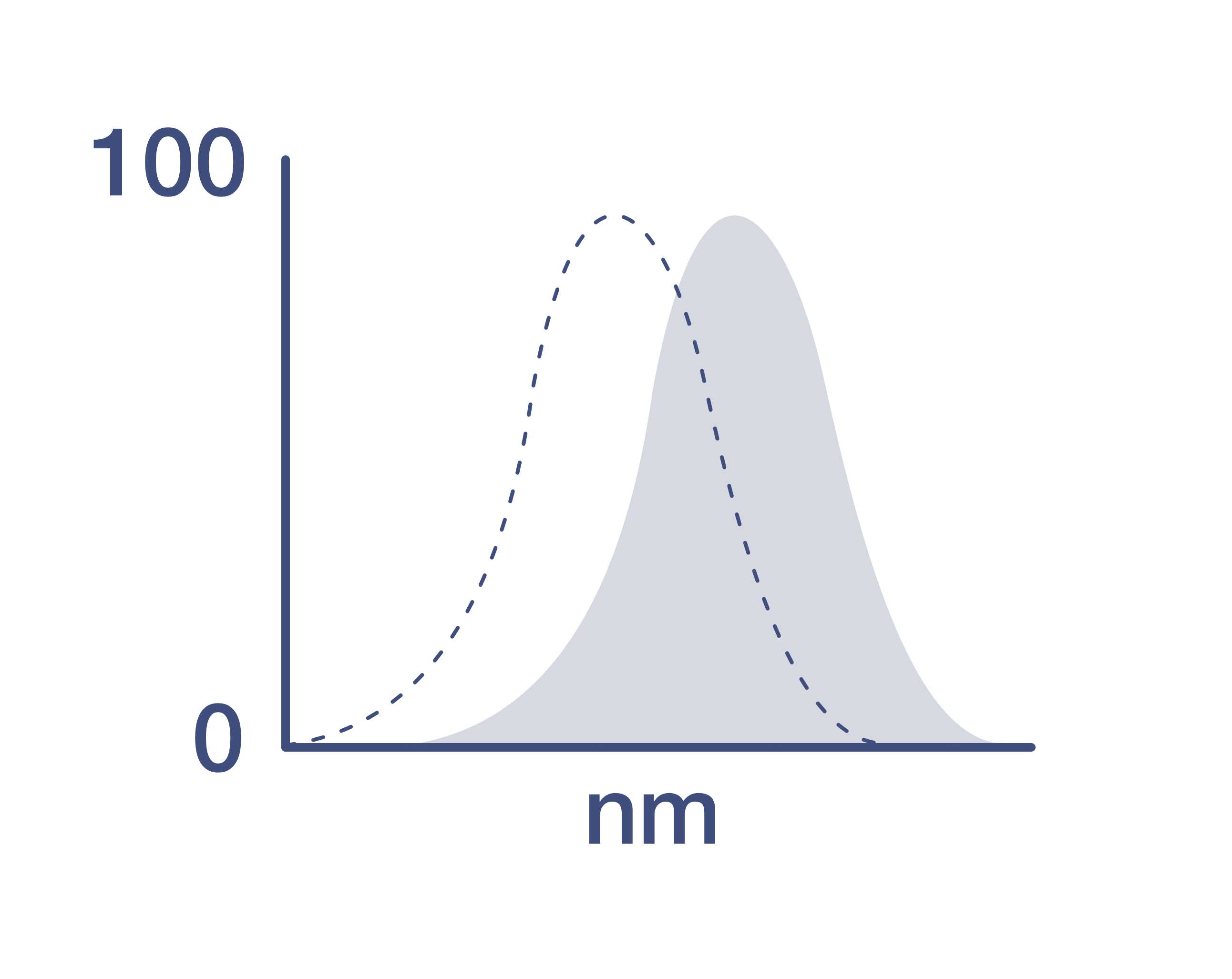
形式
Liquid
浓度
1 mg/mL
保存条件
4°C, store in dark, DO NOT FREEZE!
运输条件
Wet ice
产品详细信息
MA1-25851 detects Fas Ligand from mouse samples. MA1-25851 is expected to cross react with human (88% conserved), feline (96% conserved), and canine (92% conserved) due to sequence homology.
MA1-25851 has been successfully used in immunocytochemistry procedures.
The MA1-25851 immunogen is a synthetic peptide corresponding to residues R(196) G Q S C N N Q P L N H K V Y M R N S K Y P E D L(220) of mouse Fas Ligand.
靶标信息
CD178 (Fas ligand, FasL) is a type-II-membrane protein, whose N-terminus is in the cytoplasm and its C-terminal region extends into the extracellular space. Its receptor, FasR, is a cell-surface-type-I-membrane protein and a member of the tumor necrosis factor (TNF) and nerve growth factor (NGF) receptor family. As a member of the TNF-cytokine family CD178 induces apoptosis when interacting with FasR. CD178 may exist as either membrane bound (45 kD) or soluble forms (26 kD). The soluble protein can be released from cells upon cleavage by metalloproteinases. Binding of CD178 to Fas leads to oligomerization of the receptor and triggers apoptotic cell death through the interaction of other proteins. CD178 is predominantly expressed in activated T-lymphocytes and natural killer (NK) cells also it is expressed in the tissues of immune-privilege sites such as testis and eye. CD178 expression is also reported in various tissues as thymus, liver, ovary, lung, heart and kidney. It is assumed that induction of apoptosis through CD178 is predominantly involved in anti-viral immune responses. CD178 is a cell surface molecule belonging to the tumor necrosis factor family, binds to its receptor Fas, thus inducing apoptosis. Various cells express FAS, where CD178 is expressed predominantly on activated T cells. FAS and CD178 are involved in the down-regulation of immune reactions as well as T cell-mediated cytotoxicity. CD178 concentration has also been shown to be associated with atherosclerosis and inflammatory disease, in patients with hypertension. The Fas/ CD178 system has been shown to play a role in a number of human diseases, for example AIDS, hepatitis or cancer.
仅用于科研。不用于诊断过程。未经明确授权不得转售。
How to use the Panel Builder
Watch the video to learn how to use the Invitrogen Flow Cytometry Panel Builder to build your next flow cytometry panel in 5 easy steps.
Disclaimer

Clicking the images or links will redirect you to a website hosted by BenchSci that provides third-party scientific content. Neither the content nor the BenchSci technology and processes for selection have been evaluated by us; we are providing them as-is and without warranty of any kind, including for use or application of the Thermo Fisher Scientific products presented.

