Search
Invitrogen
NOTCH1 Monoclonal Antibody (mN1A), PE
{{$productOrderCtrl.translations['antibody.pdp.commerceCard.promotion.promotions']}}
{{$productOrderCtrl.translations['antibody.pdp.commerceCard.promotion.promocode']}}: {{promo.promoCode}} {{promo.promoTitle}} {{promo.promoDescription}}. {{$productOrderCtrl.translations['antibody.pdp.commerceCard.promotion.learnmore']}}
{{$ctrl.translations['antibody.pdp.skuNotes.additionalInformation']}}:
产品信息
MA1-81633
产品规格
宿主/亚型
Mouse
/ IgG1
分类
Monoclonal
类型
Antibody
克隆号
mN1A
抗原
Synthetic peptide corresponding to cdc10-NCR region within mouse Notch1
偶联物
PE
PE
PE
激发/发射光谱
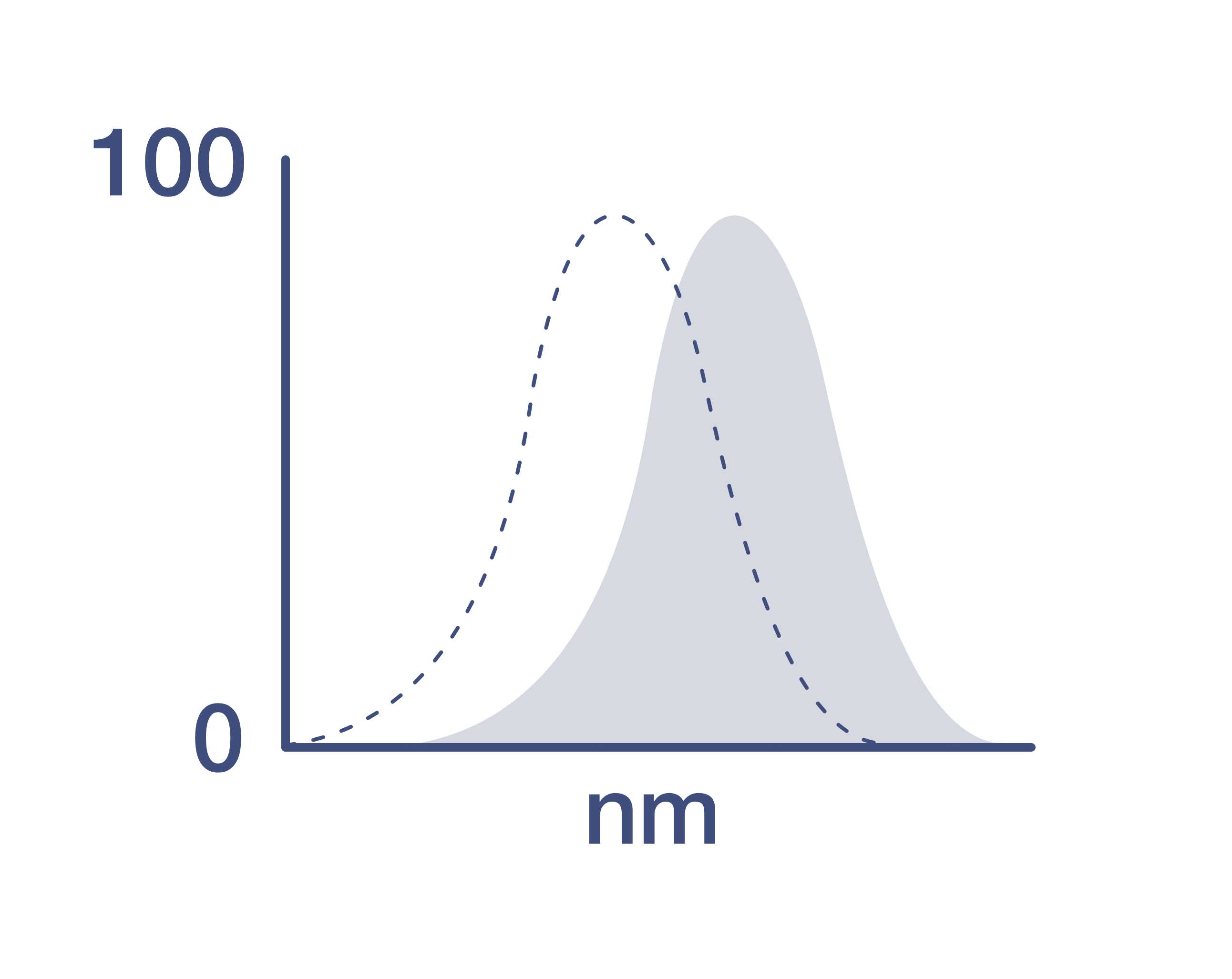
565/576 nm
查看光谱
形式
Lyophilized
保存条件
4°C, store in dark, DO NOT FREEZE!
运输条件
Wet ice
产品详细信息
Membrane permeabilization is required for flow cytometry applications. For FACS analysis, use 10ul of the suggested working dilution to label 1x10^6 cells in 100ul.
Reconstitute with 1 ml of distilled water. After reconstitution, store product undiluted at 4°C in the dark.
靶标信息
The notch gene belongs to a family of epidermal growth factor (EGF) like homeotic genes, which encode transmembrane proteins with a variable number of cysteine-rich EGF-like repeats in the extracellular region. Four notch genes have been described in mammals: Notch1, Notch2, Notch3 and Notch4(Int-3), which have been implicated in the differentiation of the nervous system and other structures. The EGF-like proteins Delta and Serrate have been identified as ligands of Notch1. Mature Notch proteins are heterodimeric receptors derived from the cleavage of Notch pre-proteins into an extracellular subunit (NEC) containing multiple EGF-like repeats and a transmembrane subunit including intracellular region (Ntm).
仅用于科研。不用于诊断过程。未经明确授权不得转售。
How to use the Panel Builder
Watch the video to learn how to use the Invitrogen Flow Cytometry Panel Builder to build your next flow cytometry panel in 5 easy steps.
篇参考文献 (0)
您是否在文献中引用过该产品?请点击下方按钮邮件告知我们。
Disclaimer

Clicking the images or links will redirect you to a website hosted by BenchSci that provides third-party scientific content. Neither the content nor the BenchSci technology and processes for selection have been evaluated by us; we are providing them as-is and without warranty of any kind, including for use or application of the Thermo Fisher Scientific products presented.

