Search
Invitrogen
HMGB1 Polyclonal Antibody
{{$productOrderCtrl.translations['antibody.pdp.commerceCard.promotion.promotions']}}
{{$productOrderCtrl.translations['antibody.pdp.commerceCard.promotion.promocode']}}: {{promo.promoCode}} {{promo.promoTitle}} {{promo.promoDescription}}. {{$productOrderCtrl.translations['antibody.pdp.commerceCard.promotion.learnmore']}}
{{$ctrl.translations['antibody.pdp.skuNotes.additionalInformation']}}:
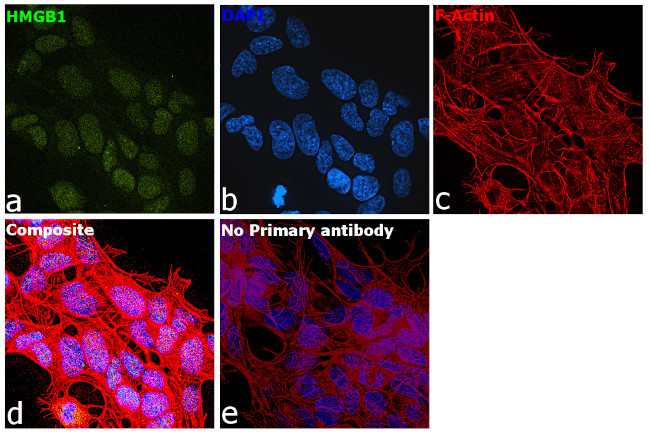
图: 1 / 24
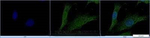
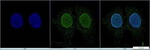
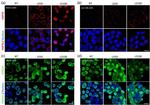
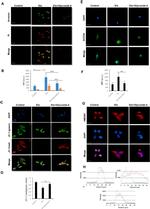
HMGB1 Antibody (PA1-16926) in ICC/IF
Immunofluorescence analysis of HMGB1 was performed using 70% confluent log phase SH-SY5Y cells. The cells were fixed with 4% paraformaldehyde for 10 minutes, permeabilized with 0.1% Triton™ X-100 for 15 minutes, and blocked with 2% BSA for 45 minutes at room temperature. The cells were labeled with HMGB1 Polyclonal Antibody (Product # PA1-16926) at 0.05 µg/mL in 0.1% BSA, incubated at 4 degree celsius overnight and then labeled with Donkey anti-Rabbit IgG (H+L) Highly Cross-Adsorbed Secondary Antibody, Alexa Fluor Plus 488 (Product # A3279... View More
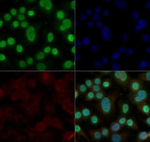
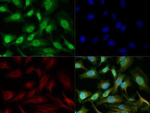
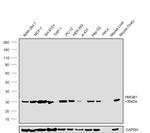
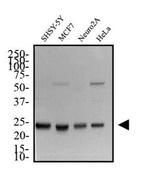
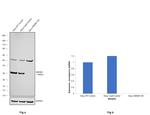
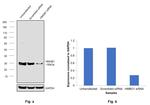
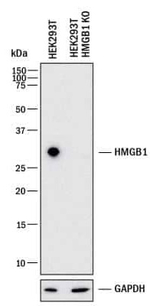

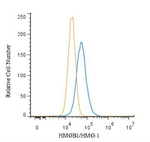
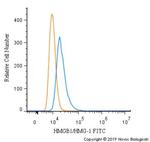
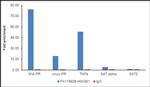
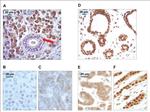
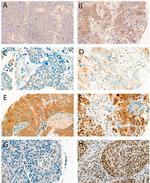
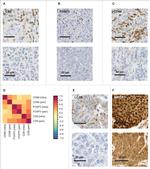
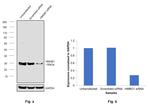
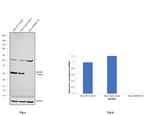
Please note: We are reviewing Western blot images included in the antibody testing data in our catalog, including those provided by third parties. Unless expressly labeled or annotated as “raw-unedited”, Western blot images included in the antibody testing data in our catalog may have been edited, optimized or otherwise adjusted for presentation.


产品信息
PA1-16926
应用
建议稀释比
已发表文章
产品规格
种属反应
Bovine,
Dog,
Human,
Mouse,
Sheep,
Rabbit,
Rat
已发表种属
Dog,
Human,
Rat
宿主/亚型
Rabbit
/ IgG
分类
Polyclonal
类型
Antibody
抗原
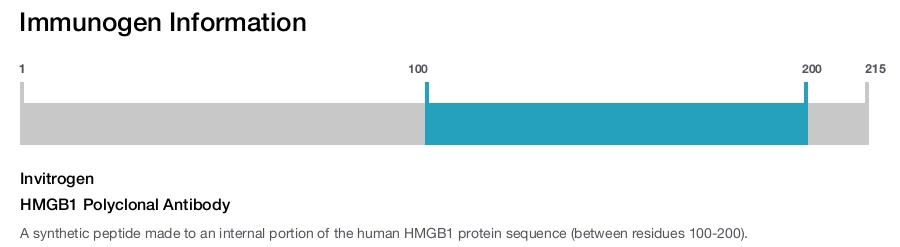
A synthetic peptide made to an internal portion of the human HMGB1 protein sequence (between residues 100-200).
偶联物
Unconjugated
Unconjugated
Unconjugated
形式
Liquid
浓度
1 mg/mL
规格
100 µg
纯化类型
Antigen affinity chromatography
保存液
PBS
内含物
0.02% sodium azide
保存条件
4°C, do not freeze
运输条件
Ambient (domestic); Wet ice (international)
RRID
产品详细信息
This antibody is expected to cross react with porcine, equine and rabbit samples based on 100% sequence homology.
Suggested positive control: Hela whole cell extract, antigen standard for HMGB1 (transient overexpression lysate).
靶标信息
High-mobility group box 1 protein, previously known as HMG-1 or amphoterin, is a member of the high mobility group box family of non-histone chromosomal proteins. Human HMGB1 is expressed as a 30 kDa, 215 amino acid (aa) single chain polypeptide containing three domains: two N-terminal globular, 70 aa positively charged DNA-binding domains (HMG boxes A and B), and a negatively charged 30 aa C-terminal region that contains only Asp and Glu. HMGB1 is expressed at high levels in almost all cells. It was originally discovered as a nuclear protein that could bend DNA. Such bending stabilizes nucleosome formation and regulates the expression of select genes upon recruitment by DNA binding proteins. It is now known that HMGB1 can also act extracellularly, both as an inflammatory mediator that promotes monocyte migration and cytokine secretion, and as a mediator of T cell-dendritic cell interaction. Moreover, HMGB1 is reported that the level of HMGB1 is elevated during sterile tissue injury, infection, lethal endotoxemia or sepsis, collagen-induced arthritis, and ischemia-reperfusion induced tissue injury.
仅用于科研。不用于诊断过程。未经明确授权不得转售。
生物信息学
蛋白别名: Ac2-008-like; Amphoterin; Amphoterin antibody; DKFZp686A04236; heparin-binding protein p30; high mobility group 1; high mobility group protein 1; high-mobility group (nonhistone chromosomal) protein 1; high-mobility-group protein; HMG-1; HMG3 antibody; hmgb 1; hmgb-1; HMGB1; RP11-550P23.1; Sulfoglucuronyl carbohydrate binding protein; unnamed protein product
基因别名: Ac2-008; HMG-1; HMG1; HMG3; p30; SBP-1
UniProt ID: (Human) P09429, (Bovine) P10103, (Dog) Q6YKA4, (Rat) P63159, (Mouse) P63158
Entrez Gene ID: (Human) 3146, (Rabbit) 100328641, (Bovine) 282691, (Sheep) 101112071, (Dog) 403170, (Rat) 25459, (Mouse) 15289
four-way junction DNA binding
bubble DNA binding
transcription regulatory region sequence-specific DNA binding
lipopolysaccharide binding
phosphatidylserine binding
DNA binding
damaged DNA binding
double-stranded DNA binding
single-stranded DNA binding
transcription coactivator activity
transcription corepressor activity
RNA binding
double-stranded RNA binding
single-stranded RNA binding
cytokine activity
integrin binding
protein binding
DNA binding, bending
calcium-dependent protein kinase regulator activity
lyase activity
C-X-C chemokine binding
protein kinase activator activity
chemoattractant activity
receptor agonist activity
RAGE receptor binding
RNA polymerase II sequence-specific DNA binding transcription factor binding
DNA polymerase binding
supercoiled DNA binding
DNA-binding transcription factor binding
endodeoxyribonuclease activator activity
histone binding
non-sequence-specific DNA binding, bending
unmethylated CpG binding
repressing transcription factor binding
open form four-way junction DNA binding
crossed form four-way junction DNA binding
nucleic acid binding
bent DNA binding
5S rRNA binding
heparin binding
peptide binding
protein heterodimerization activity
glycolipid binding
negative regulation of transcription from RNA polymerase II promoter
cell morphogenesis
eye development
myeloid dendritic cell activation
positive regulation of protein phosphorylation
endothelial cell proliferation
positive regulation of mesenchymal cell proliferation
activation of innate immune response
plasmacytoid dendritic cell activation
macrophage activation involved in immune response
inflammatory response to antigenic stimulus
regulation of tolerance induction
MyD88-dependent toll-like receptor signaling pathway
regulation of T cell mediated immune response to tumor cell
DNA repair
base-excision repair
double-strand break repair
double-strand break repair via nonhomologous end joining
chromatin organization
nucleosome assembly
chromatin remodeling
chemotaxis
inflammatory response
immune response
positive regulation of cytosolic calcium ion concentration
nervous system development
memory
circadian rhythm
negative regulation of DNA replication
cell proliferation
positive regulation of cell proliferation
response to xenobiotic stimulus
response to glucose
positive regulation of autophagy
positive regulation of neuron projection development
positive regulation of smooth muscle cell migration
negative regulation of RNA polymerase II transcriptional preinitiation complex assembly
actin cytoskeleton organization
lung development
positive regulation of cell migration
neuron projection development
heterochromatin assembly
DNA geometric change
positive regulation of mismatch repair
response to lipopolysaccharide
negative regulation of interferon-gamma production
positive regulation of chemokine production
positive regulation of interferon-alpha production
positive regulation of interferon-beta production
positive regulation of interleukin-1 beta production
positive regulation of interleukin-1 production
positive regulation of interleukin-10 production
positive regulation of interleukin-12 production
positive regulation of interleukin-6 production
positive regulation of interleukin-8 production
positive regulation of tumor necrosis factor production
response to insulin
positive regulation of myeloid cell apoptotic process
V(D)J recombination
toll-like receptor 2 signaling pathway
positive regulation of toll-like receptor 2 signaling pathway
toll-like receptor 4 signaling pathway
positive regulation of toll-like receptor 4 signaling pathway
positive regulation of toll-like receptor 9 signaling pathway
response to interferon-gamma
T-helper 1 cell activation
endothelial cell chemotaxis
psychomotor behavior
positive regulation of activated T cell proliferation
positive regulation of apoptotic process
apoptotic cell clearance
negative regulation of CD4-positive, alpha-beta T cell differentiation
positive regulation of MAPK cascade
positive regulation of blood vessel endothelial cell migration
negative regulation of blood vessel endothelial cell migration
T-helper 1 cell differentiation
positive regulation of innate immune response
response to ethanol
positive regulation of cell differentiation
positive regulation of myeloid cell differentiation
positive regulation of myoblast differentiation
positive regulation of glycogen catabolic process
positive regulation of mitotic cell cycle
positive regulation of transcription from RNA polymerase II promoter
positive regulation of JNK cascade
response to antibiotic
male-specific defense response to bacterium
induction of positive chemotaxis
regulation of DNA metabolic process
response to glucocorticoid
neuron apoptotic process
myoblast proliferation
protein-containing complex assembly
positive regulation of ERK1 and ERK2 cascade
cellular response to lipopolysaccharide
cellular response to cytokine stimulus
cellular response to interleukin-1
positive regulation of monocyte chemotactic protein-1 production
positive regulation of macrophage inflammatory protein 1 alpha production
positive regulation of monocyte chemotaxis
positive regulation of wound healing
neutrophil clearance
cellular response to interleukin-7
positive regulation of NIK/NF-kappaB signaling
positive regulation of sprouting angiogenesis
positive regulation of vascular endothelial cell proliferation
positive regulation of chemokine (C-X-C motif) ligand 2 production
negative regulation of apoptotic cell clearance
regulation of nucleotide-excision repair
positive regulation of dendritic cell differentiation
positive regulation of endothelial cell proliferation
dendritic cell chemotaxis
DNA metabolic process
DNA topological change
DNA recombination
signal transduction
negative regulation of endothelial cell migration
positive regulation of DNA binding
positive regulation of viral entry into host cell
regulation of viral process
positive chemotaxis
regulation of hemopoiesis
adaptive immune response
B cell proliferation involved in immune response
regulation of transcription from RNA polymerase II promoter
autophagy
activation of protein kinase activity
toll-like receptor 9 signaling pathway
innate immune response
DNA ligation involved in DNA repair
positive regulation of DNA ligation
tumor necrosis factor secretion
chromatin silencing
regulation of restriction endodeoxyribonuclease activity
positive regulation of cysteine-type endopeptidase activity involved in apoptotic process
Disclaimer

Clicking the images or links will redirect you to a website hosted by BenchSci that provides third-party scientific content. Neither the content nor the BenchSci technology and processes for selection have been evaluated by us; we are providing them as-is and without warranty of any kind, including for use or application of the Thermo Fisher Scientific products presented.

