Search
Invitrogen
POLQ Polyclonal Antibody
{{$productOrderCtrl.translations['antibody.pdp.commerceCard.promotion.promotions']}}
{{$productOrderCtrl.translations['antibody.pdp.commerceCard.promotion.promocode']}}: {{promo.promoCode}} {{promo.promoTitle}} {{promo.promoDescription}}. {{$productOrderCtrl.translations['antibody.pdp.commerceCard.promotion.learnmore']}}
{{$ctrl.translations['antibody.pdp.skuNotes.additionalInformation']}}:
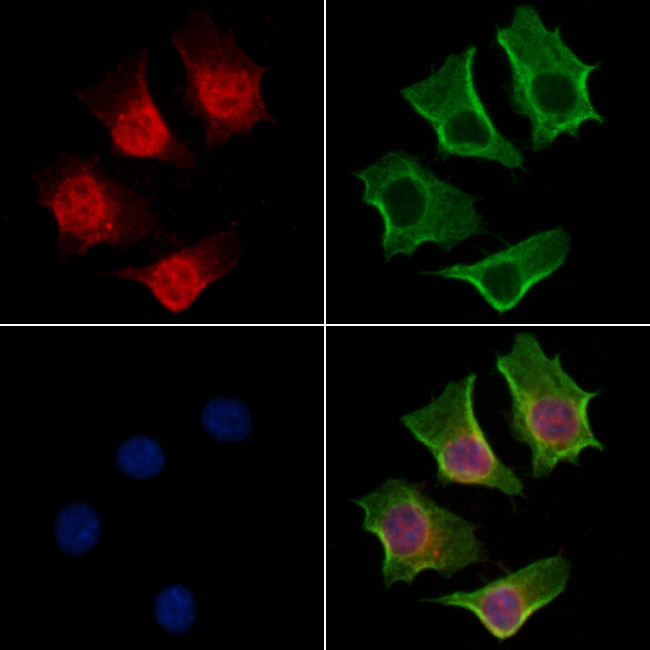
图: 1 / 21
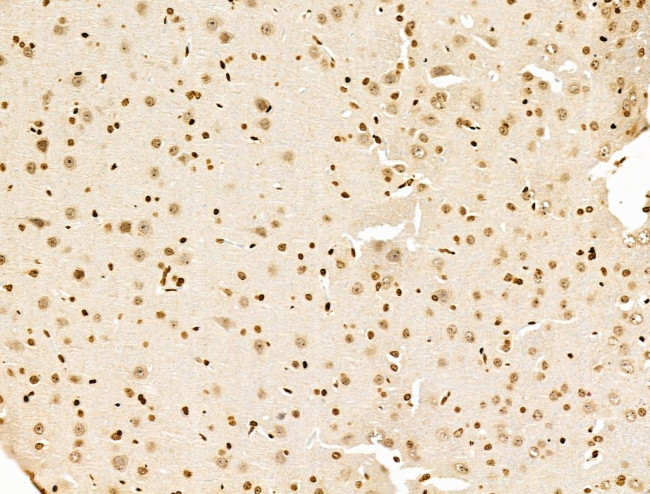
POLQ Antibody (PA5-115130) in ICC/IF
Immunocytochemistry analysis of POLQ in HepG2 cells. Samples were treated with PFA, permeabilized in 0.1% Triton X-100, blocked in 10% serum (45 min at 25°C), and incubated with polyclonal antibody (Product # PA5-115130). Secondary staining was applied with mouse anti-beta tubulin (1 hr at 37°, AlexaFluor 594 conjugated goat anti-rabbit IgG (Red), AlexaFluor 488 conjugated goat anti-mouse IgG (Green) and DAPI.

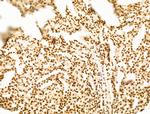
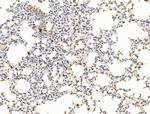
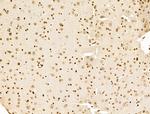

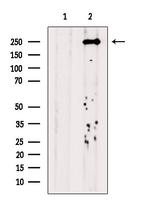
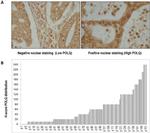
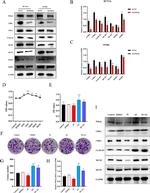
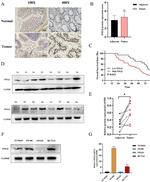
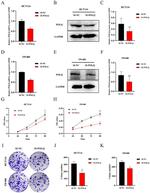
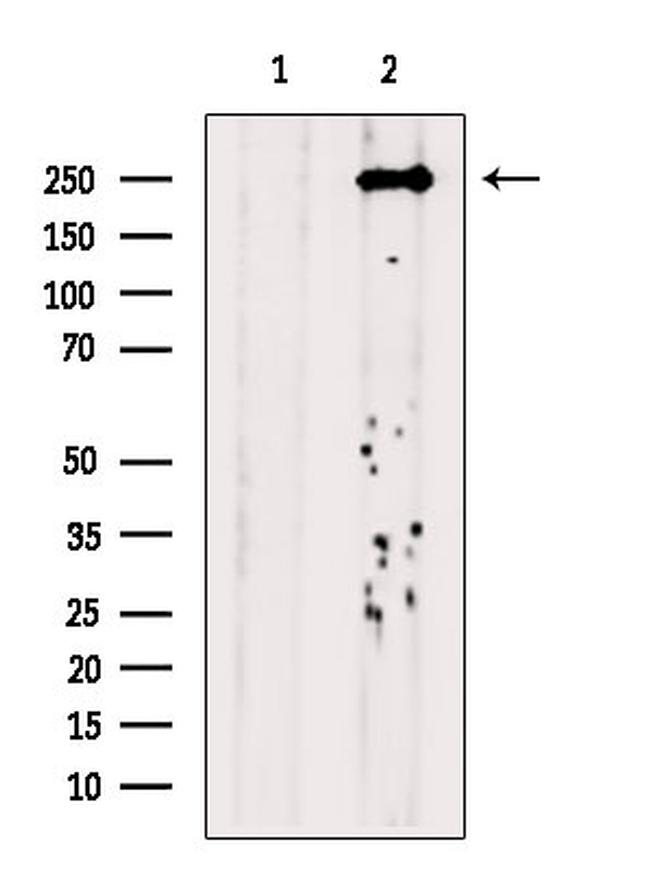
Please note: We are reviewing Western blot images included in the antibody testing data in our catalog, including those provided by third parties. Unless expressly labeled or annotated as “raw-unedited”, Western blot images included in the antibody testing data in our catalog may have been edited, optimized or otherwise adjusted for presentation.


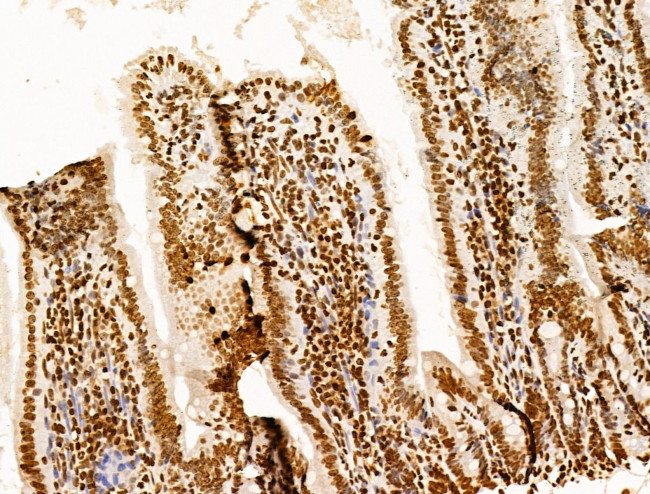


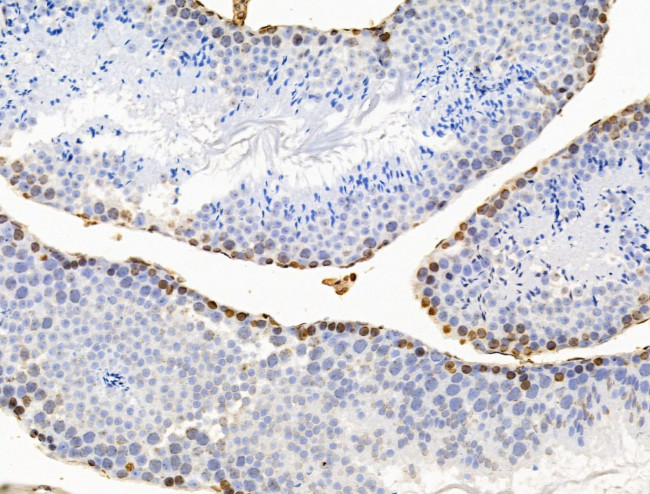
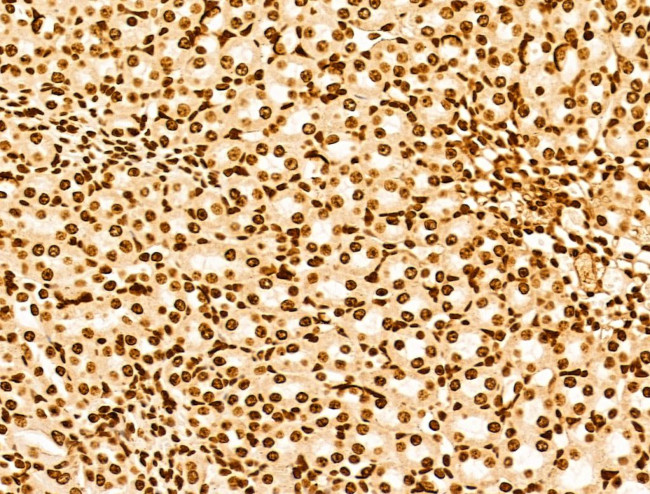


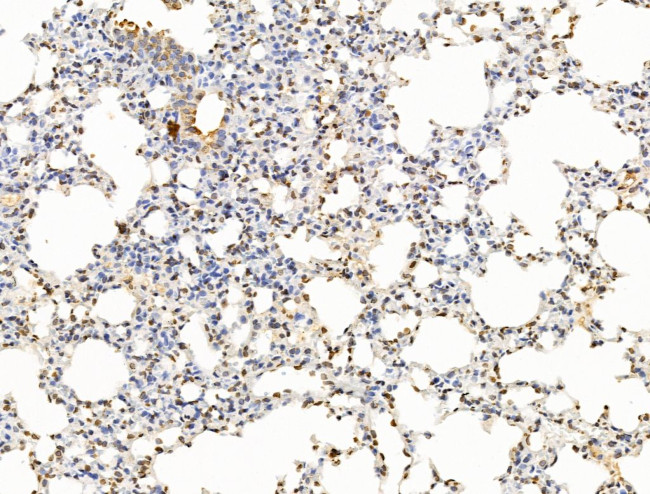



产品信息
PA5-115130
应用
建议稀释比
已发表文章
产品规格
种属反应
Human,
Mouse,
Rat
已发表种属
Human
宿主/亚型
Rabbit
/ IgG
分类
Polyclonal
类型
Antibody
抗原
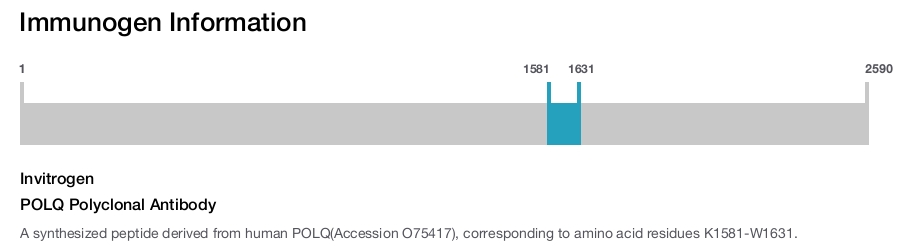
A synthesized peptide derived from human POLQ(Accession O75417), corresponding to amino acid residues K1581-W1631.
偶联物
Unconjugated
Unconjugated
Unconjugated
形式
Liquid
浓度
1 mg/mL
规格
100 µg
纯化类型
Affinity chromatography
保存液
PBS with 50% glycerol
内含物
0.02% sodium azide
保存条件
-20°C
运输条件
Ambient (domestic); Wet ice (international)
RRID
产品详细信息
Antibody detects endogenous levels of total DNA Polymerase theta.
靶标信息
DNA polymerase that promotes microhomology-mediated end-joining (MMEJ), an alternative non-homologous end-joining (NHEJ) machinery triggered in response to double-strand breaks in DNA (PubMed:25642963, PubMed:25643323). MMEJ is an error-prone repair pathway that produces deletions of sequences from the strand being repaired and promotes genomic rearrangements, such as telomere fusions, some of them leading to cellular transformation (PubMed:25642963, PubMed:25643323). POLQ acts as an inhibitor of homology-recombination repair (HR) pathway by limiting RAD51 accumulation at resected ends (PubMed:25642963). POLQ-mediated MMEJ may be required to promote the survival of cells with a compromised HR repair pathway, thereby preventing genomic havoc by resolving unrepaired lesions. The polymerase acts by binding directly the 2 ends of resected double-strand breaks, allowing microhomologous sequences in the overhangs to form base pairs. It then extends each strand from the base-paired region using the opposing overhang as a template. Requires partially resected DNA containing 2 to 6 base pairs of microhomology to perform MMEJ (PubMed:25643323). The polymerase activity is highly promiscuous: unlike most polymerases, promotes extension of ssDNA and partial ssDNA (pssDNA) substrates (PubMed:18503084, PubMed:21050863, PubMed:22135286). Also exhibits low-fidelity DNA synthesis, translesion synthesis and lyase activity, and it is implicated in interstrand-cross-link repair, base excision repair and DNA end-joining (PubMed:14576298, PubMed:18503084, PubMed:19188258, PubMed:24648516). Involved in somatic hypermutation of immunoglobulin genes, a process that requires the activity of DNA polymerases to ultimately introduce mutations at both A/T and C/G base pairs. [UniProt]
仅用于科研。不用于诊断过程。未经明确授权不得转售。
生物信息学
蛋白别名: alternatively spliced; alternatively spliced; may not be functional protein; chromosome aberrations occurring spontaneously protein 1; DNA polymerase eta; DNA-directed; EC 2.7.7.7; epididymis secretory sperm binding protein; polymerase (DNA directed), theta; polymerase (DNA) theta; unnamed protein product
基因别名: A430110D14Rik; PRO0327
UniProt ID: (Human) O75417, (Mouse) Q8CGS6
Entrez Gene ID: (Human) 10721, (Mouse) 77782, (Rat) 288079
magnesium ion binding
nucleic acid binding
DNA binding
DNA helicase activity
chromatin binding
damaged DNA binding
DNA-directed DNA polymerase activity
RNA-directed DNA polymerase activity
protein binding
ATP binding
ATPase activity
single-stranded DNA-dependent ATP-dependent DNA helicase activity
DNA polymerase activity
identical protein binding
3'-5' DNA helicase activity
5'-deoxyribose-5-phosphate lyase activity
DNA replication
DNA-dependent DNA replication
RNA-dependent DNA biosynthetic process
DNA repair
base-excision repair
double-strand break repair
cellular response to DNA damage stimulus
somatic hypermutation of immunoglobulin genes
replication fork processing
error-prone translesion synthesis
protein homooligomerization
double-strand break repair via alternative nonhomologous end joining
negative regulation of double-strand break repair via homologous recombination
Disclaimer

Clicking the images or links will redirect you to a website hosted by BenchSci that provides third-party scientific content. Neither the content nor the BenchSci technology and processes for selection have been evaluated by us; we are providing them as-is and without warranty of any kind, including for use or application of the Thermo Fisher Scientific products presented.

