Search

Gibco™
抗细胞结团剂
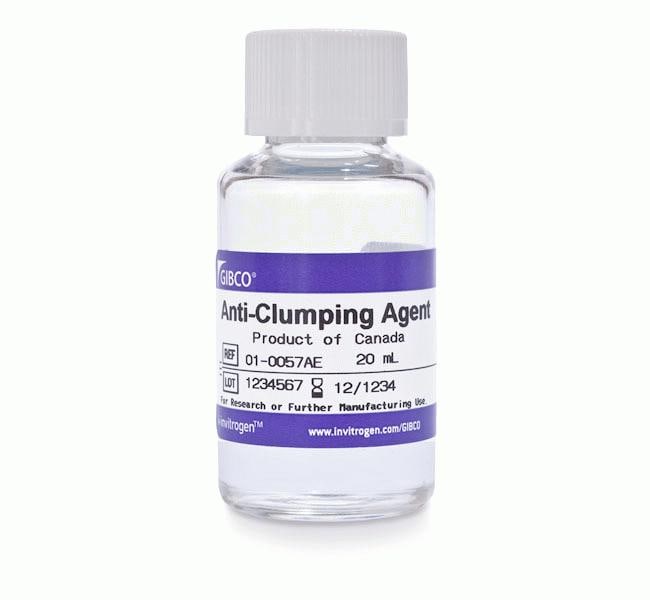
GIBCO™ 抗细胞结团剂是一种浓缩型液体试剂,其可以减少细胞结团,有助于在悬浮培养中获得更高的活细胞密度。抗细胞结团剂是一种温和、非动物源性且化学成分确定的制剂,不含蛋白质、酶、水解物或未知成分的组分。•在悬浮培养中减少细胞结团•更高的活细胞密度•非动物源性和化学成分确定的组分•即用型大尺寸便捷包装•可自定义配置包装和交付简单且温和的细胞解离驯化适应悬浮培养的细胞系可以恢复为粘附性或聚集性更强的“结团”状态。在这种情况下,通过添加温和试剂减少结团和粘附(而不是细胞解离产品中常见的苛刻酶)可极大改善培养条件了解更多信息
Have Questions?
更改视图

| 货号 | 数量 |
|---|---|
| 0010057AE | 20 mL |
| 0010057DG | 100 mL |
货号 0010057AE
价格(CNY)
1,300.00
Each
数量:
20 mL
价格(CNY)
1,300.00
Each
GIBCO™ 抗细胞结团剂是一种浓缩型液体试剂,其可以减少细胞结团,有助于在悬浮培养中获得更高的活细胞密度。抗细胞结团剂是一种温和、非动物源性且化学成分确定的制剂,不含蛋白质、酶、水解物或未知成分的组分。
•在悬浮培养中减少细胞结团
•更高的活细胞密度
•非动物源性和化学成分确定的组分
•即用型大尺寸便捷包装
•可自定义配置包装和交付
简单且温和的细胞解离
驯化适应悬浮培养的细胞系可以恢复为粘附性或聚集性更强的“结团”状态。在这种情况下,通过添加温和试剂减少结团和粘附(而不是细胞解离产品中常见的苛刻酶)可极大改善培养条件。抗细胞结团剂是一种简单、温和的浓缩型溶液,将其加入培养基(通常以 1:100 至 1:1000 的稀释度滴定)后,可明显减少细胞结团。
减少结团,增加活力,提高蛋白表达
下面图示说明了使用抗细胞结团剂减少细胞结团的效果(图 1)。另请参见证明活细胞密度得以改善的相关数据(图 2)。更高的活细胞密度有助于稳定培养条件,增加蛋白产率。
对于实际工作中的细胞解离,建议使用非动物源性 TrypLE™ 产品。
转染后使用抗细胞结团剂
在所有悬浮细胞培养条件下都不建议使用抗细胞结团剂。例如,通过阳离子脂质体转染创建细胞系时,抗细胞结团剂可能会干扰转染过程,在此种情况下我们建议在转染后使用抗细胞结团剂。
非动物源性且化学成分确定的组分
因为抗细胞结团剂完全由非动物源性且化学成分确定的组分制成,所以客户可以确信在培养系统中加入外源性物质的风险已降至尽可能低。避免系统中出现成分不明的添加剂可确保不同批次间的结果更稳定。
便利的定制包装
过去,抗细胞结团剂只提供 20 mL 瓶。但现在还提供更经济实惠且便利的 100 mL 瓶。对于更大的包装,您可以通过点击上述“添加至购物车”按钮下方的“定制该产品”链接,或者发送电子邮件至 CustomMedia@lifetech.com 联系本公司。
其他信息和支持
如需进一步了解关于成功运用本产品的其他信息,请查看下方的手册和方案。如有未得到解答的问题,请直接咨询技术服务小组。
仅供科研使用。不适用于诊断用途。
•在悬浮培养中减少细胞结团
•更高的活细胞密度
•非动物源性和化学成分确定的组分
•即用型大尺寸便捷包装
•可自定义配置包装和交付
简单且温和的细胞解离
驯化适应悬浮培养的细胞系可以恢复为粘附性或聚集性更强的“结团”状态。在这种情况下,通过添加温和试剂减少结团和粘附(而不是细胞解离产品中常见的苛刻酶)可极大改善培养条件。抗细胞结团剂是一种简单、温和的浓缩型溶液,将其加入培养基(通常以 1:100 至 1:1000 的稀释度滴定)后,可明显减少细胞结团。
减少结团,增加活力,提高蛋白表达
下面图示说明了使用抗细胞结团剂减少细胞结团的效果(图 1)。另请参见证明活细胞密度得以改善的相关数据(图 2)。更高的活细胞密度有助于稳定培养条件,增加蛋白产率。
对于实际工作中的细胞解离,建议使用非动物源性 TrypLE™ 产品。
转染后使用抗细胞结团剂
在所有悬浮细胞培养条件下都不建议使用抗细胞结团剂。例如,通过阳离子脂质体转染创建细胞系时,抗细胞结团剂可能会干扰转染过程,在此种情况下我们建议在转染后使用抗细胞结团剂。
非动物源性且化学成分确定的组分
因为抗细胞结团剂完全由非动物源性且化学成分确定的组分制成,所以客户可以确信在培养系统中加入外源性物质的风险已降至尽可能低。避免系统中出现成分不明的添加剂可确保不同批次间的结果更稳定。
便利的定制包装
过去,抗细胞结团剂只提供 20 mL 瓶。但现在还提供更经济实惠且便利的 100 mL 瓶。对于更大的包装,您可以通过点击上述“添加至购物车”按钮下方的“定制该产品”链接,或者发送电子邮件至 CustomMedia@lifetech.com 联系本公司。
其他信息和支持
如需进一步了解关于成功运用本产品的其他信息,请查看下方的手册和方案。如有未得到解答的问题,请直接咨询技术服务小组。
仅供科研使用。不适用于诊断用途。
规格
细胞系CHO、昆虫细胞、293 (HEK)
细胞类型哺乳动物细胞
培养类型悬浮细胞培养
产品规格瓶
产品线Gibco
数量20 mL
运输条件室温
来源非动物来源
分类非动物源性, 化学成分明确, 无蛋白, 无血清
形式液体
产品类型抗结团试剂
Unit SizeEach
内容与储存
在 2 至 8°C 条件下储存