Search

Thermo Scientific™
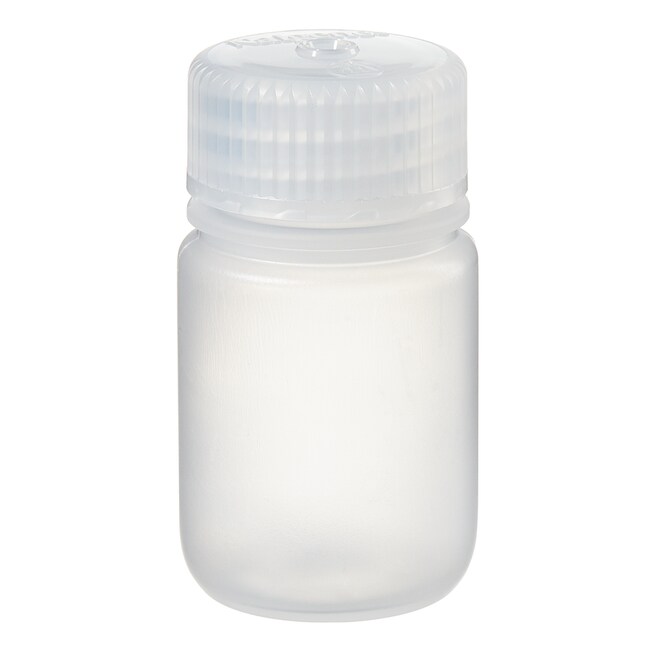
Nalgene™ 广口实验室级 PPCO 带盖瓶
Thermo Scientific Nalgene聚丙烯共聚物广口瓶是存放样品和化学品的理想容器。
Have Questions?
更改视图

| 货号 | 容量(公制) | 盖子尺寸 | 单位规格 |
|---|---|---|---|
| 2105-0001 | 30 mL | 28 mm | Case of 72 |
| 2105-0001PK 又称 2105-0001 | 30 mL | 28 mm | Pack of 12 |
| 2105-0002 | 60mL | 28 mm | Case of 72 |
| 2105-0002PK 又称 2105-0002 | 60mL | 28 mm | Pack of 12 |
| 2105-0004 | 125 mL | 38 mm | Case of 72 |
| 2105-0004PK 又称 2105-0004 | 125 mL | 38 mm | Pack of 12 |
| 2105-0008 | 250mL | 43 mm | Case of 72 |
| 2105-0008PK 又称 2105-0008 | 250mL | 43 mm | Pack of 12 |
| 2105-0016 | 500mL | 53 mm | Case of 48 |
| 2105-0016PK 又称 2105-0016 | 500mL | 53 mm | Pack of 12 |
| 2105-0032 | 1 L | 63 mm | Case of 24 |
| 2105-0032PK | 1 L | 63 mm | Pack of 6 |
货号 2105-0001
价格(CNY)
606.58
飞享价
Ends: 31-Dec-2026
1,516.46共减 909.88 (60%)
Case of 72
容量(公制):
30 mL
盖子尺寸:
28 mm
Unit Size:
Case of 72
价格(CNY)
606.58
飞享价
Ends: 31-Dec-2026
1,516.46共减 909.88 (60%)
Case of 72
Thermo Scientific Nalgene聚丙烯共聚物广口瓶是存放样品和化学品的理想容器。
可高压灭菌瓶易于灌注和分配。
特点:
循环利用信息:
可重复使用的 Nalgene 聚丙烯(PP)和聚丙烯共聚物(PPCO)瓶在典型实验室条件下经久耐用。然而,与所有耐用型产品一样,它们也难免面临最终停用和被替换的命运。 这些瓶子及其包装材料在许多社区会得到回收。 请循环利用封装 Nalgene 瓶产品的纸箱和 LDPE 袋。产品到达使用寿命限期时,如社区提供回收服务,请洗净 Nalgene PP 和 PPCO 瓶然后让社区回收。
- 对大多数酸、碱和醇具有出色的耐化学腐蚀性
- 半透明,可轻松地观察液位
- 广口设计,便于填充液体
- 防漏†性能绝佳的无内衬盖,不使用会引起褶皱、漏液或污染溶液的内衬
- 可高温高压灭菌
- 与 Nalgene 瓶盖配合使用时具有防漏†性能
- 由无毒材料制成
包括:
聚丙烯螺旋盖
备注:
在高压灭菌前,请完全拧开螺纹或者取下盖。
。循环利用信息:
可重复使用的 Nalgene 聚丙烯(PP)和聚丙烯共聚物(PPCO)瓶在典型实验室条件下经久耐用。然而,与所有耐用型产品一样,它们也难免面临最终停用和被替换的命运。 这些瓶子及其包装材料在许多社区会得到回收。 请循环利用封装 Nalgene 瓶产品的纸箱和 LDPE 袋。产品到达使用寿命限期时,如社区提供回收服务,请洗净 Nalgene PP 和 PPCO 瓶然后让社区回收。
† 术语防漏适用于符合以下标准的 Thermo Scientific Nalgene 产品:a) 对于盖尺寸小于 100 mm 的瓶/烧瓶/漏斗密封系统,当注满水后,在 2 psig 的气体压力下,倒置 2 分钟,内部的水不会溢出;b) 对于盖尺寸大于 100 mm 的瓶/漏斗/烧瓶密封系统,当注满水后,将其倒置 15 分钟,内部的水不会溢出。注意:如果使用其他液体进行以上测试,可能会得出不同的结果。为确保使用安全,建议客户在计划的应用条件下测试 Thermo Scientific Nalgene 瓶和盖。Thermo Scientific Nalgene 产品和 Nalgene 密封盖一起使用时,常温常压下防漏。
规格
可高温高压灭菌是
容量1 oz.,30 mL
容积(英制)1 oz.
认证/合规生产过程符合 ISO 13485:2016 质量要求。瓶及瓶盖符合 21CFR177.1520 有关食品饮料使用的要求及 USP VI 级要求。
盖子颜色自然色、半透明
密封盖内衬Unlined
盖子材料聚丙烯
盖子尺寸28 mm
盖子类型螺旋盖
描述实验室质量广口瓶
直径(公制)34 mm
内颈直径(公制)21 mm
高度(英制)3.89 in.
高度(公制)63 mm
颈口表面28 mm
每箱数量72
每架数量12
产品类型实验室级广口瓶
形状Round
通过密封盖分装否
容量(公制)30 mL
包括瓶盖是
颜色Translucent
材质PPCO
口径广口
无菌Non-sterile
Unit SizeCase of 72