Search


引用和文献 (110)
Invitrogen™
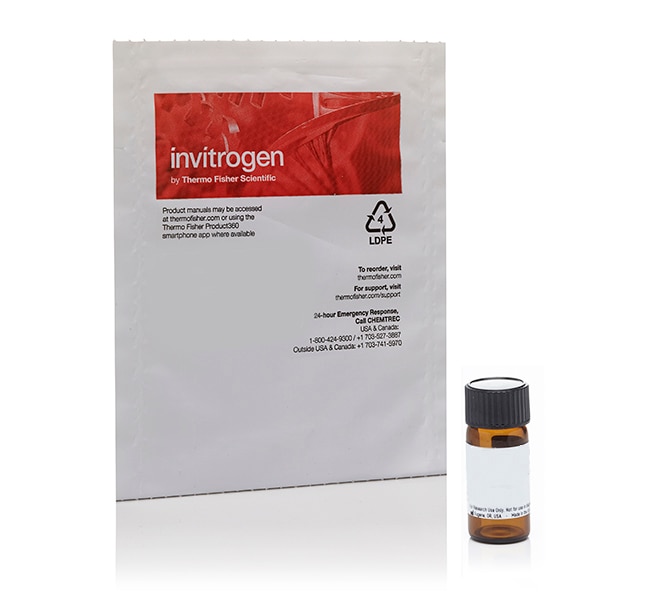
葡聚糖、Texas Red,10,000 MW,中性
标记的葡聚糖是最常用于显微镜研究的亲水多糖,用于监测细胞分裂、追踪活细胞的移动并报告细胞质基质的流体动力学特性。标记的葡聚糖通常通过显微注射进入细胞。是否需要不同的发射光谱或更长时间的追踪?查看我们的其他哺乳动物细胞追踪产品。葡聚糖规格:•标记 (Ex/Em):Texas Red™ (595/615)•大小:10,000 MW•电荷:两性离子•可固定:不可固定Molecular Probes™了解更多信息
| 货号 | 数量 |
|---|---|
| D1828 | 25 mg |
货号 D1828
价格(CNY)
3,937.00
Each
数量:
25 mg
价格(CNY)
3,937.00
Each
标记的葡聚糖是最常用于显微镜研究的亲水多糖,用于监测细胞分裂、追踪活细胞的移动并报告细胞质基质的流体动力学特性。标记的葡聚糖通常通过显微注射进入细胞。
是否需要不同的发射光谱或更长时间的追踪?查看我们的其他哺乳动物细胞追踪产品。
葡聚糖规格:
•标记 (Ex/Em):Texas Red™ (595/615)
•大小:10,000 MW
•电荷:两性离子
•可固定:不可固定
Molecular Probes™ 葡聚糖的高生产标准
我们在若干分子量范围内提供超过 50 种荧光和生物素化葡聚糖偶联物。葡聚糖是亲水性多糖,特征为具有中等至较高分子量,水溶性良好,毒性较低。它们通常也表现出低免疫原性。由于它们较不常见的聚-(α-D-1,6-葡萄糖) 连接(使它们能够耐受大多数内源性细胞糖苷酶的切割),葡聚糖具有生物惰性。
在大多数情况下,与其他来源的葡聚糖相比,Molecular Probes™ 荧光葡聚糖更明亮且负电荷更高。此外,我们使用严格的方法尽可能去除未偶联的染料,然后通过薄层色谱分析测定葡聚糖偶联物,以确保不存在低分子量污染物。
广泛的取代基和分子量选择范围
Molecular Probes™ 葡聚糖偶联到生物素或各种荧光基团,包括我们的 7 种 Alexa Fluor™ 染料(Molecular Probes 葡聚糖偶联物–表 14.4),提供以下标称分子量 (MW) 进行选择:3,000;10,000;40,000;70,000;500,000;2,000,000 道尔顿。
葡聚糖净电荷和固定能力
我们利用染料与葡聚糖分子的琥珀酰亚胺偶联,这在大多数情况下会产生中性或阴离子葡聚糖。用于产生 Rhodamine Green™ 和 Alexa Fluor™ 488 葡聚糖的反应可产生中性、阴离子或阳离子最终产物。Alexa Fluor™、Cascade Blue™、荧光黄、荧光素和 Oregon Green™ 葡聚糖本质为阴离子,而大多数用两性离子罗丹明 B、四甲基罗丹明和 Texas Red™ 染料标记的葡聚糖基本为中性。为产生更多的高度阴离子葡聚糖,我们利用专利程序向葡聚糖载体添加了负电荷基团;这些产物为指定的 “聚阴离子”葡聚糖。
某些应用需要用甲醛或戊二醛处理葡聚糖示踪剂,以便用于后续分析。对于这些应用,我们提供大多数荧光基团或生物素葡聚糖偶联物的 “赖氨酸可固定” 版本。这些葡聚糖具有共价结合的赖氨酸残基,允许葡聚糖示踪剂通过醛介导的固定与周围生物分子结合,通过免疫组织化学和超微结构技术进行后续检测。我们还证明我们所有的 10,000 MW Alexa Fluor™ 葡聚糖偶联物均可用醛类固定剂固定。
使用标记的葡聚糖的关键应用
有一系列引用文献描述了标记葡聚糖的用途。一些最常见的用途包括:
•活细胞中的神经元示踪(顺行和逆行)
•活细胞中细胞谱系的示踪
•神经解剖示踪
•检查细胞间通讯(例如,间隙连接、伤口愈合过程以及胚胎发育期间)
•研究血管可透过性和血脑屏障的完整性
•追踪内吞作用
•监测酸化(一些葡聚糖–染料偶联物具有 pH 值敏感性)
•研究细胞质基质的流体动力学特性
仅供研究使用。不得用于任何动物或人类的治疗或诊断。
是否需要不同的发射光谱或更长时间的追踪?查看我们的其他哺乳动物细胞追踪产品。
葡聚糖规格:
•标记 (Ex/Em):Texas Red™ (595/615)
•大小:10,000 MW
•电荷:两性离子
•可固定:不可固定
Molecular Probes™ 葡聚糖的高生产标准
我们在若干分子量范围内提供超过 50 种荧光和生物素化葡聚糖偶联物。葡聚糖是亲水性多糖,特征为具有中等至较高分子量,水溶性良好,毒性较低。它们通常也表现出低免疫原性。由于它们较不常见的聚-(α-D-1,6-葡萄糖) 连接(使它们能够耐受大多数内源性细胞糖苷酶的切割),葡聚糖具有生物惰性。
在大多数情况下,与其他来源的葡聚糖相比,Molecular Probes™ 荧光葡聚糖更明亮且负电荷更高。此外,我们使用严格的方法尽可能去除未偶联的染料,然后通过薄层色谱分析测定葡聚糖偶联物,以确保不存在低分子量污染物。
广泛的取代基和分子量选择范围
Molecular Probes™ 葡聚糖偶联到生物素或各种荧光基团,包括我们的 7 种 Alexa Fluor™ 染料(Molecular Probes 葡聚糖偶联物–表 14.4),提供以下标称分子量 (MW) 进行选择:3,000;10,000;40,000;70,000;500,000;2,000,000 道尔顿。
葡聚糖净电荷和固定能力
我们利用染料与葡聚糖分子的琥珀酰亚胺偶联,这在大多数情况下会产生中性或阴离子葡聚糖。用于产生 Rhodamine Green™ 和 Alexa Fluor™ 488 葡聚糖的反应可产生中性、阴离子或阳离子最终产物。Alexa Fluor™、Cascade Blue™、荧光黄、荧光素和 Oregon Green™ 葡聚糖本质为阴离子,而大多数用两性离子罗丹明 B、四甲基罗丹明和 Texas Red™ 染料标记的葡聚糖基本为中性。为产生更多的高度阴离子葡聚糖,我们利用专利程序向葡聚糖载体添加了负电荷基团;这些产物为指定的 “聚阴离子”葡聚糖。
某些应用需要用甲醛或戊二醛处理葡聚糖示踪剂,以便用于后续分析。对于这些应用,我们提供大多数荧光基团或生物素葡聚糖偶联物的 “赖氨酸可固定” 版本。这些葡聚糖具有共价结合的赖氨酸残基,允许葡聚糖示踪剂通过醛介导的固定与周围生物分子结合,通过免疫组织化学和超微结构技术进行后续检测。我们还证明我们所有的 10,000 MW Alexa Fluor™ 葡聚糖偶联物均可用醛类固定剂固定。
使用标记的葡聚糖的关键应用
有一系列引用文献描述了标记葡聚糖的用途。一些最常见的用途包括:
•活细胞中的神经元示踪(顺行和逆行)
•活细胞中细胞谱系的示踪
•神经解剖示踪
•检查细胞间通讯(例如,间隙连接、伤口愈合过程以及胚胎发育期间)
•研究血管可透过性和血脑屏障的完整性
•追踪内吞作用
•监测酸化(一些葡聚糖–染料偶联物具有 pH 值敏感性)
•研究细胞质基质的流体动力学特性
仅供研究使用。不得用于任何动物或人类的治疗或诊断。
仅供科研使用。不可用于诊断程序。
规格
标签或染料经典染料
产品类型葡聚糖
数量25 mg
运输条件室温
激发/发射595/615 nm
产品线Texas Red
Unit SizeEach
内容与储存
储存在冰箱(-5 至 -30°C)中并避光。
引用和文献 (110)
引用和文献
Abstract
Selective cell targeting with light-absorbing microparticles and nanoparticles.
Journal:Biophys J
PubMed ID:12770906
'We describe a new method for selective cell targeting based on the use of light-absorbing microparticles and nanoparticles that are heated by short laser pulses to create highly localized cell damage. The method is closely related to chromophore-assisted laser inactivation and photodynamic therapy, but is driven solely by light absorption,
GPCR signaling is required for blood-brain barrier formation in drosophila.
Journal:Cell
PubMed ID:16213218
'The blood-brain barrier of Drosophila is established by surface glia, which ensheath the nerve cord and insulate it against the potassium-rich hemolymph by forming intercellular septate junctions. The mechanisms underlying the formation of this barrier remain obscure. Here, we show that the G protein-coupled receptor (GPCR) Moody, the G protein
Plasma membrane repair is mediated by Ca(2+)-regulated exocytosis of lysosomes.
Journal:Cell
PubMed ID:11511344
'Plasma membrane wounds are repaired by a mechanism involving Ca(2+)-regulated exocytosis. Elevation in intracellular [Ca(2+)] triggers fusion of lysosomes with the plasma membrane, a process regulated by the lysosomal synaptotagmin isoform Syt VII. Here, we show that Ca(2+)-regulated exocytosis of lysosomes is required for the repair of plasma membrane disruptions.
Nuclear import of insulin-like growth factor-binding protein-3 and -5 is mediated by the importin beta subunit.
Journal:J Biol Chem
PubMed ID:10811646
'Although insulin-like growth factor-binding protein (IGFBP)-3 and IGFBP-5 are known to modulate cell growth by reversibly sequestering extracellular insulin-like growth factors, several reports have suggested that IGFBP-3, and possibly also IGFBP-5, have important insulin-like growth factor-independent effects on cell growth. These effects may be related to the putative nuclear actions
Constitutive macropinocytosis in oncogene-transformed fibroblasts depends on sequential permanent activation of phosphoinositide 3-kinase and phospholipase C.
Journal:Mol Biol Cell
PubMed ID:11029048
'Macropinocytosis results from the closure of lamellipodia generated by membrane ruffling, thereby reflecting cortical actin dynamics. Both transformation of Rat-1 fibroblasts by v-Src or K-Ras and stable transfection for expression of dominant-positive, wild-type phosphoinositide 3-kinase (PI3K) regulatory subunit p85 alpha constitutively led to stress fiber disruption, cortical actin recruitment, extensive