Search

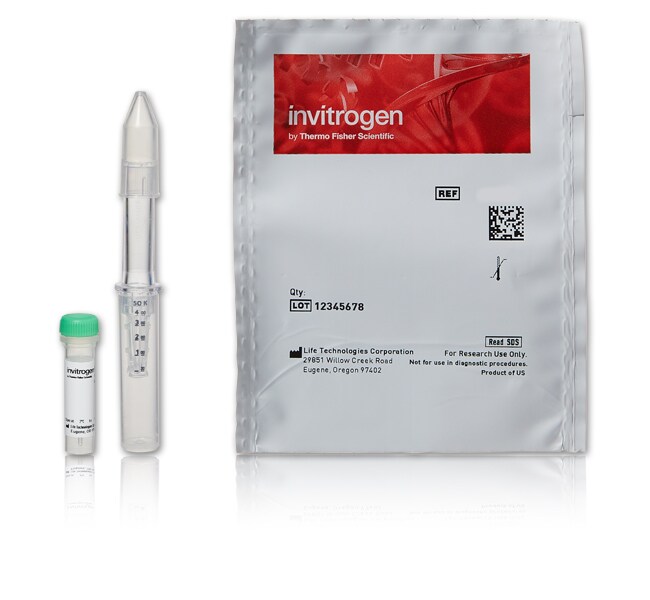
Invitrogen™
抗体标记用 SiteClick™ sDIBO 炔烃试剂盒
使用 SiteClick™ 化学方法,轻松将 Alexa Fluor™ pHrodo™ 和生物素 sDIBO 炔烃标签连接至叠氮基修饰的抗体。
Have Questions?
更改视图

| 货号 | 标签或染料 | 标记规模 |
|---|---|---|
| S10906 | Alexa Fluor™ 647 | 1 mg |
| C20027 | Alexa Fluor™ 488 | 100-250 µg |
| C20029 | Alexa Fluor™ 647 | 100-250 µg |
| C20031 | 伯胺 | 100-250 µg |
| C20034 | pHrodo™ iFL 红色 | 100-250 µg |
| S10902 | 生物素 | 1 mg |
| S10903 | pHrodo™ iFL 红色 | 1 mg |
| S10904 | Alexa Fluor™ 488 | 1 mg |
| S10907 | 生物素 | 5 mg |
| S10908 | pHrodo™ iFL 红色 | 5 mg |
| S10909 | Alexa Fluor™ 488 | 5 mg |
| S10911 | Alexa Fluor™ 647 | 5 mg |
| S10914 | pHrodo™ 深红色 | 100-250 µg |
| S10915 | pHrodo™ 深红色 | 1 mg |
| C20028 | Alexa Fluor™ 555 | 100-250 µg |
| C20030 | 生物素 | 100-250 µg |
货号 S10906
价格(CNY)
4,183.00
Each
标签或染料:
Alexa Fluor™ 647
标记规模:
1 mg
价格(CNY)
4,183.00
Each
利用 SiteClick sDIBO 炔烃生成位点特异性标记抗体偶联物用于抗体标记。我们的 SiteClick sDIBO 抗体标记试剂盒经过优化,可与 SiteClick 叠氮基修饰试剂盒(S20026、S10900 或 S10901 单独销售)结合使用,并含有足量试剂,可使用 100 μg、1 mg 或 5 mg 叠氮基修饰的 IgG 抗体进行 SiteClick sDIBO 炔烃标记偶联反应。抗体标记用 SiteClick sDIBO 炔烃采用无铜点击化学将二苯并环辛炔 (sDIBO) 标记的 Alexa Fluor 染料、pHrodo 染料或生物素共价连接至叠氮基修饰的抗体。当与抗体连接时,标记远离其抗原结合结构域。
使用 SiteClick sDIBO 炔烃标记创建您自己的共价标记的抗体偶联物,用于配合叠氮基修饰抗体使用。SiteClick sDIBO 炔烃抗体标记试剂盒包括 sDIBO 炔烃和抗体浓缩仪,可实现 Alexa Fluor 和 pHrodo 染料、生物素或您选择的分子的无铜共价结合。配合 SiteClick 抗体叠氮基修饰试剂盒(作为货号S20026、S10900、S10901 单独提供)使用,标记发生在重链 N-连接聚糖上,远离抗原结合结构域,可实现单独标记反应与多个抗体种类和亚型之间出色的重现性。针对共价连接 100 µg、1 mg 或 5 mg 叠氮基修饰 IgG 抗体的偶联反应,对用于抗体标记的 SiteClick sDIBO 炔烃试剂盒进行了优化。
建议使用 SiteClick 抗体叠氮基修饰试剂盒(货号S20026、S10900、S10901)将叠氮化物部分连接至未标记 IgG 抗体的重链。其他含有叠氮部分的工程改造抗体也适用。
当与 SiteClick 抗体叠氮基修饰试剂盒结合使用时,用于抗体标记的 SiteClick sDIBO 炔烃试剂盒允许您选择尝试不同的抗体荧光标记,通过链霉素亲和素连接其他分子,或通过胺反应性部分连接您自己的分子,具体取决于您的检测。我们的 sDIBO 炔烃是 DIBO 环辛炔的改良版,所产生偶联物的黏性较低并且在生物样品中产生的信号背景较低。
建议使用 SiteClick 抗体叠氮基修饰试剂盒(货号S20026、S10900、S10901)将叠氮化物部分连接至未标记 IgG 抗体的重链。其他含有叠氮部分的工程改造抗体也适用。
当与 SiteClick 抗体叠氮基修饰试剂盒结合使用时,用于抗体标记的 SiteClick sDIBO 炔烃试剂盒允许您选择尝试不同的抗体荧光标记,通过链霉素亲和素连接其他分子,或通过胺反应性部分连接您自己的分子,具体取决于您的检测。我们的 sDIBO 炔烃是 DIBO 环辛炔的改良版,所产生偶联物的黏性较低并且在生物样品中产生的信号背景较低。
仅供科研使用。不可用于诊断程序。
规格
化学反应性叠氮化物
激发/发射650/665
过滤器类型Cy5
流式细胞仪激光线路红色
套装内容包含 1 小瓶 SiteClick Alexa Fluor 647 sDIBO 炔烃,用于在 50 µL DMSO 和 1 个抗体浓缩仪中进行抗体标记
标记方法点击化学
标记规模1 mg
标记目标叠氮基修饰抗体
标签或染料Alexa Fluor™ 647
数量for 1 mg of Ab
反应一部分sDIBO 炔烃
运输条件湿冰
颜色远红外
产品线Alexa Fluor, SiteClick
Unit SizeEach
内容与储存
在冰箱(2°C 至 8°C)中避光储存。