Search
Invitrogen
Arginase 1 Monoclonal Antibody (A1exF5), Alexa Fluor™ 700, eBioscience™
{{$productOrderCtrl.translations['antibody.pdp.commerceCard.promotion.promotions']}}
{{$productOrderCtrl.translations['antibody.pdp.commerceCard.promotion.promocode']}}: {{promo.promoCode}} {{promo.promoTitle}} {{promo.promoDescription}}. {{$productOrderCtrl.translations['antibody.pdp.commerceCard.promotion.learnmore']}}
{{$ctrl.translations['antibody.pdp.skuNotes.additionalInformation']}}:
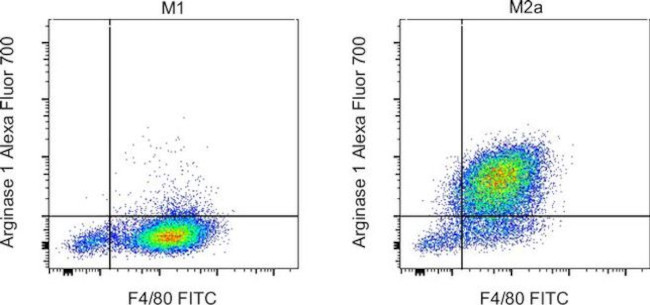
图: 1 / 24
Arginase 1 Antibody (56-3697-82) in Flow
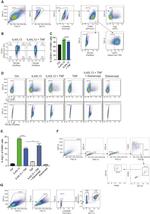
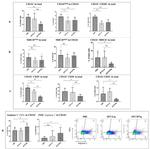
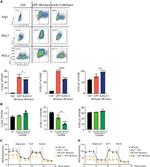
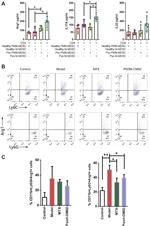
C57BL/6 mouse bone marrow derived macrophages were polarized for 24 hours with either LPS (Product # 00-4976-93) and IFN-gamma (Product # 16-7311-85) to make M1 macrophages (left) or with IL-4 (Product # BMS338) to make M2a macrophages (right). Cells were surface stained with F4/80 Monoclonal Antibody, FITC (Product # 11-4801-82) then stained intracellularly, using the Intracellular Fixation & Permeabilization Buffer Set (Product # 88-8824-00) and protocol, with 0.06 µg Arginase 1 Monoclonal Antibody, Alexa Fluor 700. Total viable cells we... View More
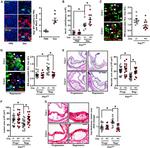
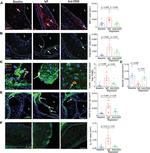
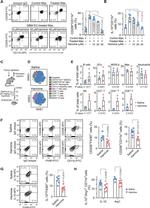
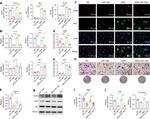
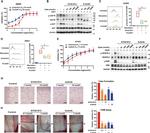
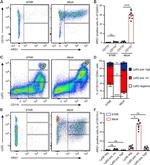
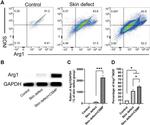
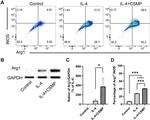
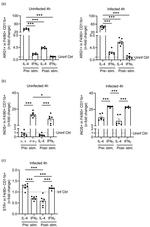
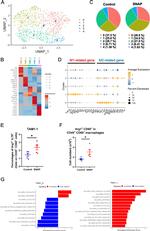
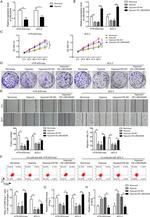
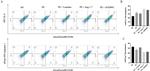
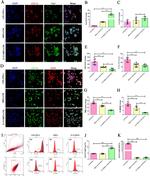
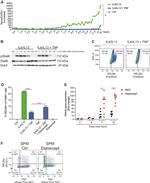

Please note: We are reviewing Western blot images included in the antibody testing data in our catalog, including those provided by third parties. Unless expressly labeled or annotated as “raw-unedited”, Western blot images included in the antibody testing data in our catalog may have been edited, optimized or otherwise adjusted for presentation.


产品信息
56-3697-82
应用
建议稀释比
已发表文章
产品规格
种属反应
Human,
Mouse
已发表种属
Mouse
宿主/亚型
Rat
/ IgG2a, kappa
分类
Monoclonal
类型
Antibody
克隆号
A1exF5
抗原
E.coli-derived Recombinant mouse Arginase 1
偶联物
Alexa Fluor™ 700
Alexa Fluor™ 700
Alexa Fluor™ 700
激发/发射光谱
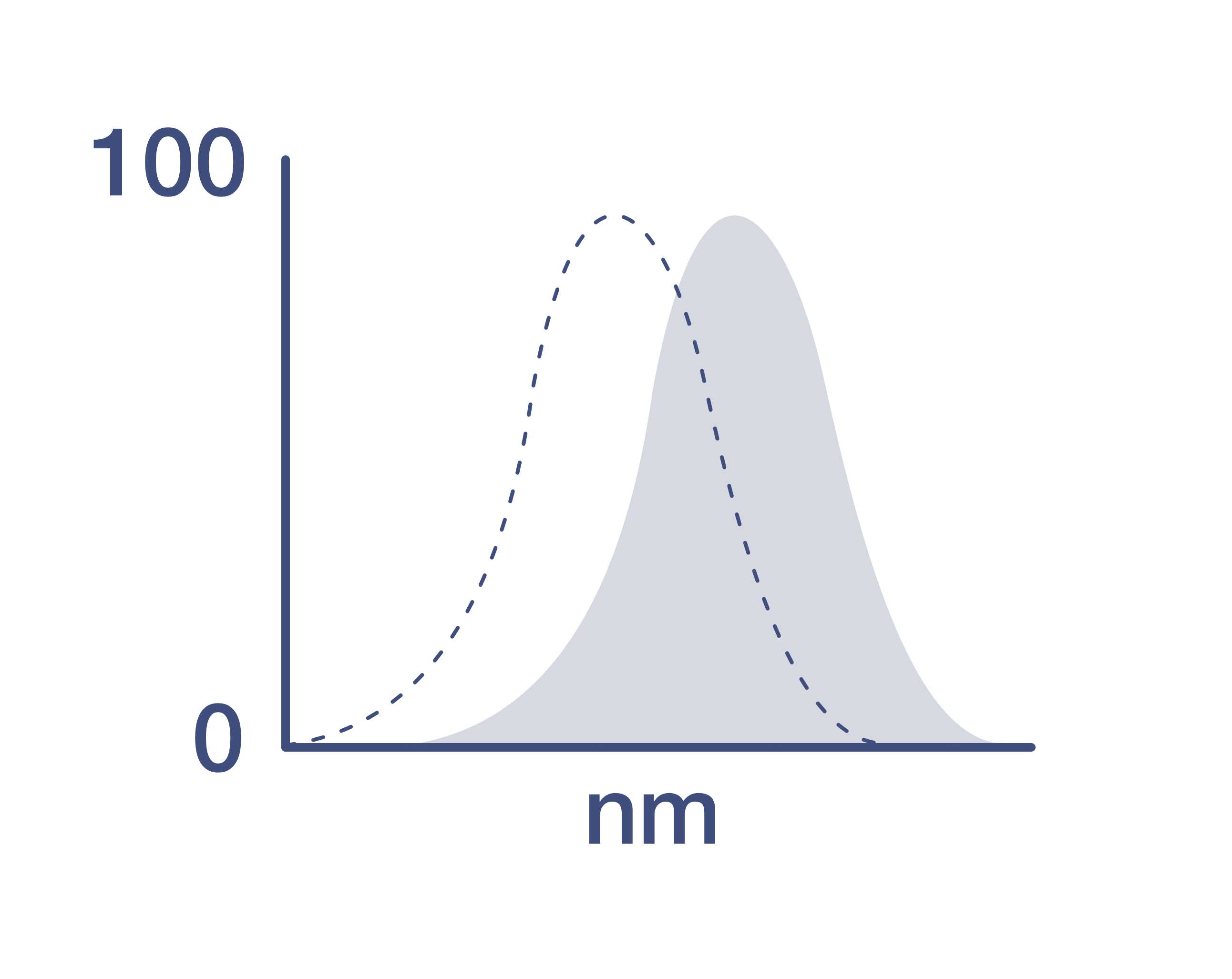
696/719 nm
查看光谱
形式
Liquid
浓度
0.2 mg/mL
规格
100 µg
纯化类型
Affinity chromatography
保存液
PBS, pH 7.2
内含物
0.09% sodium azide
保存条件
4°C, store in dark, DO NOT FREEZE!
运输条件
Ambient (domestic); Wet ice (international)
RRID
产品详细信息
Description: The monoclonal antibody A1exF5 recognizes both human and mouse Arginase 1, a cytosolic enzyme (Arg1). This A1exF5 clone is compatible with both, the standard intracellular protocols, and the Foxp3/Transcription Factor Staining Buffer Set.
Applications Reported: This A1exF5 antibody has been reported for use in flow cytometric analysis.
Applications Tested: This A1exF5 antibody has been tested by flow cytometric analysis of stimulated mouse bone marrow cells using the Intracellular Fixation & Permeabilization Buffer Set (Product # 88-8824-00) and protocol. Please refer to BestProtocols®: Protocol A: Two step protocol for (cytoplasmic) intracellular proteins located under the Resources Tab online. This may be used at less than or equal to 0.125 µg per test. A test is defined as the amount (µg) of antibody that will stain a cell sample in a final volume of 100 µL. Cell number should be determined empirically but can range from 10^5 to 10^8 cells/test. It is recommended that the antibody be carefully titrated for optimal performance in the assay of interest.
Alexa Fluor® 700 emits at 723 nm and can be excited with the red laser (633 nm). Most instruments will require a 685 LP mirror and 710/20 filter. Please make sure that your instrument is capable of detecting this fluorochrome.
Excitation: 633-647 nm; Emission: 723 nm; Laser: Red Laser.
靶标信息
Arginase-1 (Arg1) is a 35 kDa enzyme converting L-arginine to urea and L-ornithine, which is the final step in the urea cycle. The resulting polyamines are important for cell proliferation and removal of toxins that arise from protein degradation. By degrading arginine, Arginase 1 deprives NO synthase of its substrate and down-regulates nitric oxide production. In both human and mouse, Arginase 1 is expressed in the liver, neutrophils, myeloid derived suppressor cells (MDSC) and neural stem cells. In human, expression in blood neutrophils but not in CCR3+ granulocytes has been reported. In mice, expression of Arginase 1 is one of the hallmarks of alternatively activated macrophages (M2a). Arginase-1 may be expressed in the myeloid cells infiltrating tumors, and is typically found in the majority of hepatocellular carcinomas. Defects in Arginase 1 are the cause of argininemia, an autosomal recessive disorder characterized by hyperammonemia.
仅用于科研。不用于诊断过程。未经明确授权不得转售。
How to use the Panel Builder
Watch the video to learn how to use the Invitrogen Flow Cytometry Panel Builder to build your next flow cytometry panel in 5 easy steps.
生物信息学
蛋白别名: A-I; Arg1; Arginase; arginase (EC 3.5.3.1); arginase 1 liver; arginase 1, liver; arginase I; arginase, liver; Arginase1; HGNC:663; Liver Arginase; liver-type arginase; Type 1 Arginase; type I arginase; unnamed protein product
基因别名: AI; Arg-1; PGIF
UniProt ID: (Human) P05089, (Mouse) Q61176
Entrez Gene ID: (Human) 383, (Mouse) 11846
urea cycle
arginine metabolic process
arginine catabolic process
regulation of cell proliferation
negative regulation of T cell proliferation
defense response to protozoan
negative regulation of activated T cell proliferation
negative regulation of interferon-gamma-mediated signaling pathway
neutrophil mediated killing of fungus
negative regulation of T-helper 2 cell cytokine production
positive regulation of endothelial cell proliferation
response to nematode
response to selenium ion
collagen biosynthetic process
positive regulation of neutrophil mediated killing of fungus
regulation of L-arginine import across plasma membrane
Disclaimer

Clicking the images or links will redirect you to a website hosted by BenchSci that provides third-party scientific content. Neither the content nor the BenchSci technology and processes for selection have been evaluated by us; we are providing them as-is and without warranty of any kind, including for use or application of the Thermo Fisher Scientific products presented.

