Search

Thermo Scientific™
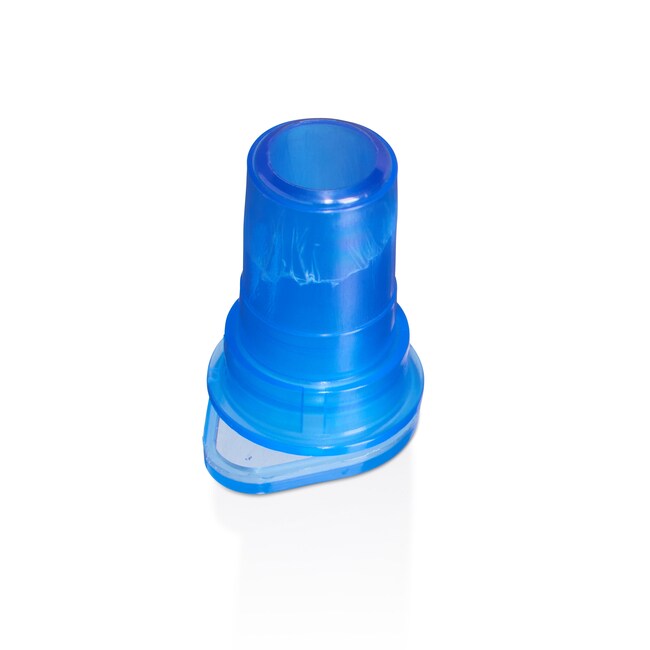
Slide-A-Lyzer™ 迷你透析杯,2K MWCO
Thermo Scientific Slide-A-Lyzer 迷你透析杯 (2K MWCO) 是配有集成的低结合膜的一次性聚丙烯杯,用于透析及从 10 至 100了解更多信息
Have Questions?
更改视图

| 货号 | 数量 |
|---|---|
| 69580 | 50 个杯 |
| 69553 | 250 个杯 |
货号 69580
价格(CNY)
3,689.00
Each
数量:
50 个杯
价格(CNY)
3,689.00
Each
Thermo Scientific Slide-A-Lyzer 迷你透析杯 (2K MWCO) 是配有集成的低结合膜的一次性聚丙烯杯,用于透析及从 10 至 100 μL 体积高效回收 >2 kDa 的蛋白质和大分子。
Slide-A-Lyzer 迷你透析杯(2K MWCO,0.1 mL)的特点:
•规格灵活 - 使用户可以透析单个样品(试管)或多个样品(25 阵列)
• 出色的样品回收率 - 与过滤和树脂系统相比,低结合塑料和较小的膜表面积可较大程度减少样品损失
• 一步法方案 - 无需费力的程序或昂贵的设备
• 100% 经过防漏检测 - 创新的设计不允许在自制设备中出现的“芯吸”现象
• 节省时间 - 在不到 15 分钟的时间内完成核酸和蛋白质的脱盐(回收率 >95%),从而提高了样品的分离度、定量和偶联性
Slide-A-Lyzer 迷你透析杯可使用标准实验室移液器轻松添加和移除样品,并可用于单个或多个样品。与其他小样品分离设备不同,其不需要组装设备,不需要注射器适配器,也不需要费力的步骤来处理小体积样品。再生纤维素膜与多种常见化学品和缓冲液兼容。
Slide-A-Lyzer 迷你透析杯被开发为一种用于透析小体积核酸和蛋白质样品而又不会造成不必要的样品损失的便捷方法。使用这些装置,可完成低分子量污染物去除、缓冲液更换、脱盐、平衡透析、微型-偶联反应和浓缩。Slide-A-Lyzer 迷你透析杯在 HEPA 过滤器/清洁的环境中制造,组装后自动装袋,以确保它们不含污染物并可以使用。
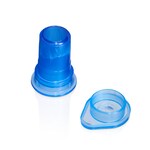
0.1 mL MINI 透析设备设计为带有盖(包括盖)并插入标准的 1.5 mL 微量离心管的形式。或者,可以在 Slide-A-Lyzer 迷你透析杯浮子中放置多达 25 个 迷你透析杯,以便对在一个大烧杯中进行多个透析。使用 0.1 mL 迷你透析杯,可在不到 10 分钟的时间内用 1 L,pH 9.4 的碳酸氢盐缓冲液平衡 100 μL,pH 2.8 的甘氨酸缓冲液。
对于所有透析应用,与这些装置一起使用的每个样品的观察到的透析速率取决于多种因素,包括膜到样品的体积、温度和搅拌速率;以及通过膜的分子量、形状、水合度和电荷以及所用缓冲液的 pH,离子强度和溶剂特性。
更多产品数据
• 透析膜分离特征
相关产品
Float Buoys for 0.1 mL Slide-A-Lyzer™ 迷你透析杯
Slide-A-Lyzer™ 迷你透析杯(10K MWCO,0.1 mL)
Slide-A-Lyzer 迷你透析杯(2K MWCO,0.1 mL)的特点:
•规格灵活 - 使用户可以透析单个样品(试管)或多个样品(25 阵列)
• 出色的样品回收率 - 与过滤和树脂系统相比,低结合塑料和较小的膜表面积可较大程度减少样品损失
• 一步法方案 - 无需费力的程序或昂贵的设备
• 100% 经过防漏检测 - 创新的设计不允许在自制设备中出现的“芯吸”现象
• 节省时间 - 在不到 15 分钟的时间内完成核酸和蛋白质的脱盐(回收率 >95%),从而提高了样品的分离度、定量和偶联性
Slide-A-Lyzer 迷你透析杯可使用标准实验室移液器轻松添加和移除样品,并可用于单个或多个样品。与其他小样品分离设备不同,其不需要组装设备,不需要注射器适配器,也不需要费力的步骤来处理小体积样品。再生纤维素膜与多种常见化学品和缓冲液兼容。
Slide-A-Lyzer 迷你透析杯被开发为一种用于透析小体积核酸和蛋白质样品而又不会造成不必要的样品损失的便捷方法。使用这些装置,可完成低分子量污染物去除、缓冲液更换、脱盐、平衡透析、微型-偶联反应和浓缩。Slide-A-Lyzer 迷你透析杯在 HEPA 过滤器/清洁的环境中制造,组装后自动装袋,以确保它们不含污染物并可以使用。
0.1 mL MINI 透析设备设计为带有盖(包括盖)并插入标准的 1.5 mL 微量离心管的形式。或者,可以在 Slide-A-Lyzer 迷你透析杯浮子中放置多达 25 个 迷你透析杯,以便对在一个大烧杯中进行多个透析。使用 0.1 mL 迷你透析杯,可在不到 10 分钟的时间内用 1 L,pH 9.4 的碳酸氢盐缓冲液平衡 100 μL,pH 2.8 的甘氨酸缓冲液。
对于所有透析应用,与这些装置一起使用的每个样品的观察到的透析速率取决于多种因素,包括膜到样品的体积、温度和搅拌速率;以及通过膜的分子量、形状、水合度和电荷以及所用缓冲液的 pH,离子强度和溶剂特性。
更多产品数据
• 透析膜分离特征
相关产品
Float Buoys for 0.1 mL Slide-A-Lyzer™ 迷你透析杯
Slide-A-Lyzer™ 迷你透析杯(10K MWCO,0.1 mL)
For Research Use Only. Not for use in diagnostic procedures.
Slide-A-Lyzer 迷你透析杯是可用于对小体积的核酸和蛋白质样品进行透析而不会造成不必要的样品损失的便捷方法。使用这些装置,可完成低分子量污染物去除、缓冲液更换、脱盐、平衡透析、微型-偶联反应和浓缩。Slide-A-Lyzer 迷你透析杯在 HEPA 过滤器/清洁环境中生产,并在组装后自动包装以确保它们不含污染物并可随时使用。
0.1 mL 的迷你透析杯设计为可以盖合(含盖)并可以插入标准的 1.5 mL 微量离心管的形式。或者,可以在 Slide-A-Lyzer 迷你透析杯浮子中放置多达 25 个迷你透析杯,以便在一个大烧杯中进行多个透析。使用 0.1 mL 迷你透析杯,在不到10分钟内便可使 100 μL pH 值为2.8的甘氨酸缓冲液与1升 pH 值为9.4的碳酸氢盐缓冲液达到平衡。
规格
描述迷你透析装置,0.1 mL
膜纤维素膜,透析
产品线Slide-A-Lyzer
产品类型杯,微量离心机
纯化目标缓冲液置换,蛋白质
数量50 个杯
产品规格杯,微量离心机
截留分子量 (MWCO)2.0 kDa
样品体积(公制)0.1 mL
Unit SizeEach
内容与储存
室温保存