Search

Applied Biosystems™
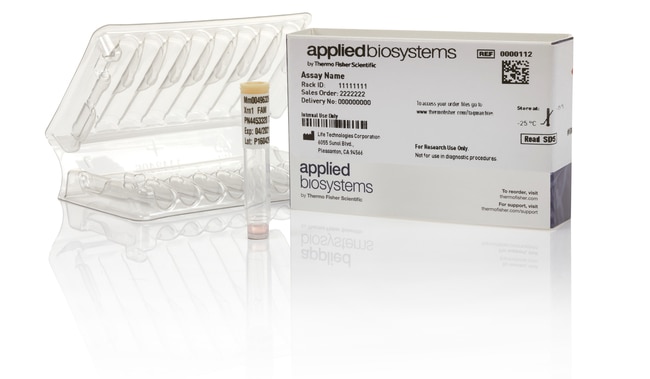
TaqMan™ Advanced miRNA 测定
应用生物系统 TaqMan Advanced miRNA 测定可使用 qPCR 对成熟的 miRNA 进行高度灵敏和特异性的定量。配合了解更多信息
| 货号 | 数量 |
|---|---|
| A25576 | S (250 reactions), inventoried |
货号 A25576
价格(CNY)
4,092.00
Each
数量:
S (250 reactions), inventoried
应用生物系统 TaqMan Advanced miRNA 测定可使用 qPCR 对成熟的 miRNA 进行高度灵敏和特异性的定量。配合 TaqMan Advanced miRNA cDNA 合成试剂盒使用时,该解决方案提供了简化的前期工作流程,非常适合分析来自单个样本或低水平 RNA 样本(例如血清和血浆)的多个 miRNA 靶标。
•通用 RT— 适合所有 TaqMan Advanced miRNA 测定试剂的一步法 RT 步骤
•灵敏— 可检测 cDNA 合成中低至60个拷贝的上样量
•特异性— 仅检测成熟的 miRNA 并区分高度同源的靶标
•低上样量— 从低至 1 pg 的总 RNA 或 2µL 血浆中检测和定量成熟 miRNA
•兼容生物流体,包括人血清、血浆和组织
TaqMan miRNA 测定试剂盒选择指南
TaqMan MicroRNA 测定试剂盒
描述:TaqMan MicroRNA 测定试剂盒在 cDNA 合成过程中采用新的靶标特异性茎–环引物来生成实时 PCR 模板
RT 化学:miRNA 特异性 RT
通量:适合 1–10 个靶标
覆盖范围:可选205个种属,覆盖范围:miRBase v.21
TaqMan Advanced miRNA 测定试剂盒
描述:TaqMan Advanced miRNA 测定试剂盒采用通用 RT 步骤实现了精简的工作流程,并采用了通用的 miR-Amp 步骤,可通过实时 PCR 实现高灵敏度检测
RT 化学:通用 RT
通量:较适合 >10 个靶标
覆盖范围:所有人类、小鼠和大鼠 miRNA;覆盖范围:miRBase v.21
•通用 RT— 适合所有 TaqMan Advanced miRNA 测定试剂的一步法 RT 步骤
•灵敏— 可检测 cDNA 合成中低至60个拷贝的上样量
•特异性— 仅检测成熟的 miRNA 并区分高度同源的靶标
•低上样量— 从低至 1 pg 的总 RNA 或 2µL 血浆中检测和定量成熟 miRNA
•兼容生物流体,包括人血清、血浆和组织
TaqMan miRNA 测定试剂盒选择指南
TaqMan MicroRNA 测定试剂盒
描述:TaqMan MicroRNA 测定试剂盒在 cDNA 合成过程中采用新的靶标特异性茎–环引物来生成实时 PCR 模板
RT 化学:miRNA 特异性 RT
通量:适合 1–10 个靶标
覆盖范围:可选205个种属,覆盖范围:miRBase v.21
TaqMan Advanced miRNA 测定试剂盒
描述:TaqMan Advanced miRNA 测定试剂盒采用通用 RT 步骤实现了精简的工作流程,并采用了通用的 miR-Amp 步骤,可通过实时 PCR 实现高灵敏度检测
RT 化学:通用 RT
通量:较适合 >10 个靶标
覆盖范围:所有人类、小鼠和大鼠 miRNA;覆盖范围:miRBase v.21
仅供科研使用。不可用于诊断程序。
规格
适用于(设备)7500 System, 7500 Fast System, 7900HT System, StepOne™, StepOnePlus™, ViiA™ 7 System, QuantStudio™ 3, QuantStudio™ 5, QuantStudio™ 6 Flex, QuantStudio™ 7 Flex, QuantStudio 6 Pro, QuantStudio 7 Pro, QuantStudio™ 12k Flex, QuantStudio™ Absolute Q Digital PCR System
产品规格管装
反应次数250 次反应
产品线TaqMan
产品类型Advanced miRNA 测定试剂
数量S (250 reactions), inventoried
运输条件室温
容量2 μL
最大浓度20X
检测方法引物-探针
高 GC PCR 扩增效果高
PCR 方法qPCR
反应速度标准
Unit SizeEach
内容与储存
1个装有 20X 预先配制的测定混合物的试管(1个探针和2个引物)。
储存在 -15至-25°C。
储存在 -15至-25°C。