Search


引用和文献 (43)
Invitrogen™
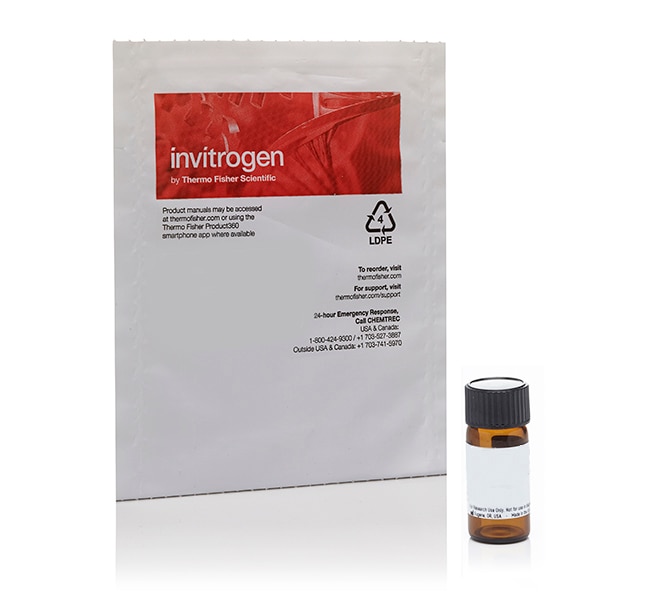
葡聚糖、Alexa Fluor™ 488;10,000 MW,阴离子,可固定
标记的葡聚糖是最常用于显微镜研究的亲水多糖,用于监测细胞分裂、追踪活细胞的移动并报告细胞质基质的流体动力学特性。标记的葡聚糖通常通过显微注射进入细胞。是否需要不同的发射光谱或更长时间的追踪?查看我们的其他哺乳动物细胞追踪产品。葡聚糖规格:•标记 (Ex/Em):Alexa Fluor™ 488 (495/519)•规格:10,000 MW•电荷:阴离子•可固定:通过游离胺可固定Molecular了解更多信息
| 货号 | 数量 |
|---|---|
| D22910 | 5 mg |
货号 D22910
价格(CNY)
5,202.00
飞享价
Ends: 31-Dec-2026
7,224.00共减 2,022.00 (28%)
Each
数量:
5 mg
价格(CNY)
5,202.00
飞享价
Ends: 31-Dec-2026
7,224.00共减 2,022.00 (28%)
Each
标记的葡聚糖是最常用于显微镜研究的亲水多糖,用于监测细胞分裂、追踪活细胞的移动并报告细胞质基质的流体动力学特性。标记的葡聚糖通常通过显微注射进入细胞。
是否需要不同的发射光谱或更长时间的追踪?查看我们的其他哺乳动物细胞追踪产品。
葡聚糖规格:
•标记 (Ex/Em):Alexa Fluor™ 488 (495/519)
•规格:10,000 MW
•电荷:阴离子
•可固定:通过游离胺可固定
Molecular Probes™ 葡聚糖的高生产标准
我们在若干分子量范围内提供超过 50 种荧光和生物素化葡聚糖偶联物。葡聚糖是亲水性多糖,特征为具有中等至较高分子量,水溶性良好,毒性较低。它们通常也表现出低免疫原性。由于它们较不常见的聚-(α-D-1,6-葡萄糖) 连接(使它们能够耐受大多数内源性细胞糖苷酶的切割),葡聚糖具有生物惰性。
在大多数情况下,与其他来源的葡聚糖相比,Molecular Probes™ 荧光葡聚糖更明亮且负电荷更高。此外,我们使用严格的方法尽可能去除未偶联的染料,然后通过薄层色谱分析测定葡聚糖偶联物,以确保不存在低分子量污染物。
广泛的取代基和分子量选择范围
Molecular Probes™ 葡聚糖偶联到生物素或各种荧光基团,包括我们的 7 种 Alexa Fluor™ 染料(Molecular Probes 葡聚糖偶联物–表 14.4),提供以下标称分子量 (MW) 进行选择:3,000;10,000;40,000;70,000;500,000;2,000,000 道尔顿。
葡聚糖净电荷和固定能力
我们利用染料与葡聚糖分子的琥珀酰亚胺偶联,这在大多数情况下会产生中性或阴离子葡聚糖。用于产生 Rhodamine Green™ 和 Alexa Fluor™ 488 葡聚糖的反应可产生中性、阴离子或阳离子最终产物。Alexa Fluor™、Cascade Blue™、荧光黄、荧光素和 Oregon Green™ 葡聚糖本质为阴离子,而大多数用两性离子罗丹明 B、四甲基罗丹明和 Texas Red™ 染料标记的葡聚糖基本为中性。为产生更多的高度阴离子葡聚糖,我们利用专利程序向葡聚糖载体添加了负电荷基团;这些产物为指定的 “聚阴离子”葡聚糖。
某些应用需要用甲醛或戊二醛处理葡聚糖示踪剂,以便用于后续分析。对于这些应用,我们提供大多数荧光基团或生物素葡聚糖偶联物的 “赖氨酸可固定” 版本。这些葡聚糖具有共价结合的赖氨酸残基,允许葡聚糖示踪剂通过醛介导的固定与周围生物分子结合,通过免疫组织化学和超微结构技术进行后续检测。我们还证明我们所有的 10,000 MW Alexa Fluor™ 葡聚糖偶联物均可用醛类固定剂固定。
使用标记的葡聚糖的关键应用
有一系列引用文献描述了标记葡聚糖的用途。一些最常见的用途包括:
•活细胞中的神经元示踪(顺行和逆行)
•活细胞中细胞谱系的示踪
•神经解剖示踪
•检查细胞间通讯(例如,间隙连接、伤口愈合过程以及胚胎发育期间)
•研究血管可透过性和血脑屏障的完整性
•追踪内吞作用
•监测酸化(一些葡聚糖–染料偶联物具有 pH 值敏感性)
•研究细胞质基质的流体动力学特性
仅供研究使用。不得用于任何动物或人类的治疗或诊断。
是否需要不同的发射光谱或更长时间的追踪?查看我们的其他哺乳动物细胞追踪产品。
葡聚糖规格:
•标记 (Ex/Em):Alexa Fluor™ 488 (495/519)
•规格:10,000 MW
•电荷:阴离子
•可固定:通过游离胺可固定
Molecular Probes™ 葡聚糖的高生产标准
我们在若干分子量范围内提供超过 50 种荧光和生物素化葡聚糖偶联物。葡聚糖是亲水性多糖,特征为具有中等至较高分子量,水溶性良好,毒性较低。它们通常也表现出低免疫原性。由于它们较不常见的聚-(α-D-1,6-葡萄糖) 连接(使它们能够耐受大多数内源性细胞糖苷酶的切割),葡聚糖具有生物惰性。
在大多数情况下,与其他来源的葡聚糖相比,Molecular Probes™ 荧光葡聚糖更明亮且负电荷更高。此外,我们使用严格的方法尽可能去除未偶联的染料,然后通过薄层色谱分析测定葡聚糖偶联物,以确保不存在低分子量污染物。
广泛的取代基和分子量选择范围
Molecular Probes™ 葡聚糖偶联到生物素或各种荧光基团,包括我们的 7 种 Alexa Fluor™ 染料(Molecular Probes 葡聚糖偶联物–表 14.4),提供以下标称分子量 (MW) 进行选择:3,000;10,000;40,000;70,000;500,000;2,000,000 道尔顿。
葡聚糖净电荷和固定能力
我们利用染料与葡聚糖分子的琥珀酰亚胺偶联,这在大多数情况下会产生中性或阴离子葡聚糖。用于产生 Rhodamine Green™ 和 Alexa Fluor™ 488 葡聚糖的反应可产生中性、阴离子或阳离子最终产物。Alexa Fluor™、Cascade Blue™、荧光黄、荧光素和 Oregon Green™ 葡聚糖本质为阴离子,而大多数用两性离子罗丹明 B、四甲基罗丹明和 Texas Red™ 染料标记的葡聚糖基本为中性。为产生更多的高度阴离子葡聚糖,我们利用专利程序向葡聚糖载体添加了负电荷基团;这些产物为指定的 “聚阴离子”葡聚糖。
某些应用需要用甲醛或戊二醛处理葡聚糖示踪剂,以便用于后续分析。对于这些应用,我们提供大多数荧光基团或生物素葡聚糖偶联物的 “赖氨酸可固定” 版本。这些葡聚糖具有共价结合的赖氨酸残基,允许葡聚糖示踪剂通过醛介导的固定与周围生物分子结合,通过免疫组织化学和超微结构技术进行后续检测。我们还证明我们所有的 10,000 MW Alexa Fluor™ 葡聚糖偶联物均可用醛类固定剂固定。
使用标记的葡聚糖的关键应用
有一系列引用文献描述了标记葡聚糖的用途。一些最常见的用途包括:
•活细胞中的神经元示踪(顺行和逆行)
•活细胞中细胞谱系的示踪
•神经解剖示踪
•检查细胞间通讯(例如,间隙连接、伤口愈合过程以及胚胎发育期间)
•研究血管可透过性和血脑屏障的完整性
•追踪内吞作用
•监测酸化(一些葡聚糖–染料偶联物具有 pH 值敏感性)
•研究细胞质基质的流体动力学特性
仅供研究使用。不得用于任何动物或人类的治疗或诊断。
仅供科研使用。不可用于诊断程序。
规格
标签或染料Alexa Fluor 染料
产品类型葡聚糖
数量5 mg
运输条件室温
激发/发射495/519 nm
产品线Alexa Fluor
Unit SizeEach
内容与储存
储存在冰箱(-5 至 -30°C)中并避光。
常见问题解答 (FAQ)
当我注入荧光葡聚糖时,无法看见神经元的详细结构,如何改善以更好地显示详细的结构?
为什么在固定后,荧光偶联葡聚糖信号没有保留下来?
右旋糖酐的电荷为多少?
哪种大小的右旋糖酐最适于神经元示踪?
你们有神经元示踪实验方案吗?
引用和文献 (43)
引用和文献
Abstract
The membrane-bound histidine acid phosphatase TbMBAP1 is essential for endocytosis and membrane recycling in Trypanosoma brucei.
Journal:J Cell Sci
PubMed ID:15855239
'In the parasitic protozoan Trypanosoma brucei, endocytosis and exocytosis occur exclusively at an invagination of the plasma membrane around the base of the flagellum, called the flagellar pocket, which actively communicates by vesicular membrane flow with cisternal/tubulovesicular endosomes. The division of the cell surface into three morphologically distinct sub-domains and
Viral nanoparticles as tools for intravital vascular imaging.
Journal:Nat Med
PubMed ID:16501571
'A significant impediment to the widespread use of noninvasive in vivo vascular imaging techniques is the current lack of suitable intravital imaging probes. We describe here a new strategy to use viral nanoparticles as a platform for the multivalent display of fluorescent dyes to image tissues deep inside living organisms.
Human ESCRT-II complex and its role in human immunodeficiency virus type 1 release.
Journal:J Virol
PubMed ID:16973552
'The budding of many enveloped RNA viruses, including human immunodeficiency virus type 1 (HIV-1), requires some of the same cellular machinery as vesicle formation at the multivesicular body (MVB). In Saccharomyces cerevisiae, the ESCRT-II complex performs a central role in MVB protein sorting and vesicle formation, as it is recruited
On the use of retrograde tracers for identification of axon collaterals with multiple fluorescent retrograde tracers.
Journal:Neuroscience
PubMed ID:17379419
'A common method for identifying collateral projections is to inject different retrograde tracers into two targets and examine labeled cells for the presence of both tracers. Double-labeled cells are considered to have collateral projections to the two injection sites. This method is widely considered to underestimate the extent of collaterals.
Visually guided injection of identified reticulospinal neurons in zebrafish: a survey of spinal arborization patterns.
Journal:J Comp Neurol
PubMed ID:12640669
'We report here the pattern of axonal branching for 11 descending cell types in the larval brainstem; eight of these cell types are individually identified neurons. Large numbers of brainstem neurons were retrogradely labeled in living larvae by injecting Texas-red dextran into caudal spinal cord. Subsequently, in each larva a