Search

Automated plasma FIB SEM for scalable cryo-ET lamella preparation
The Thermo Scientific Arctis Cryo Plasma-FIB is a dedicated cryogenic lamella preparation system designed for automated, unattended operation in cryo-electron tomography (cryo-ET) workflows.
Optimized for routine operation at scale, the Arctis Cryo Plasma-FIB supports the efficient preparation of large numbers of lamellae from multiple grids, enabling cryo-ET studies that rely on robust, quantitative datasets across cellular and molecular biology.
By combining automation, connected workflows, correlative microscopy and multi-grid operation, Arctis Cryo Plasma-FIB supports routine cryo-ET lamella preparation at scale.
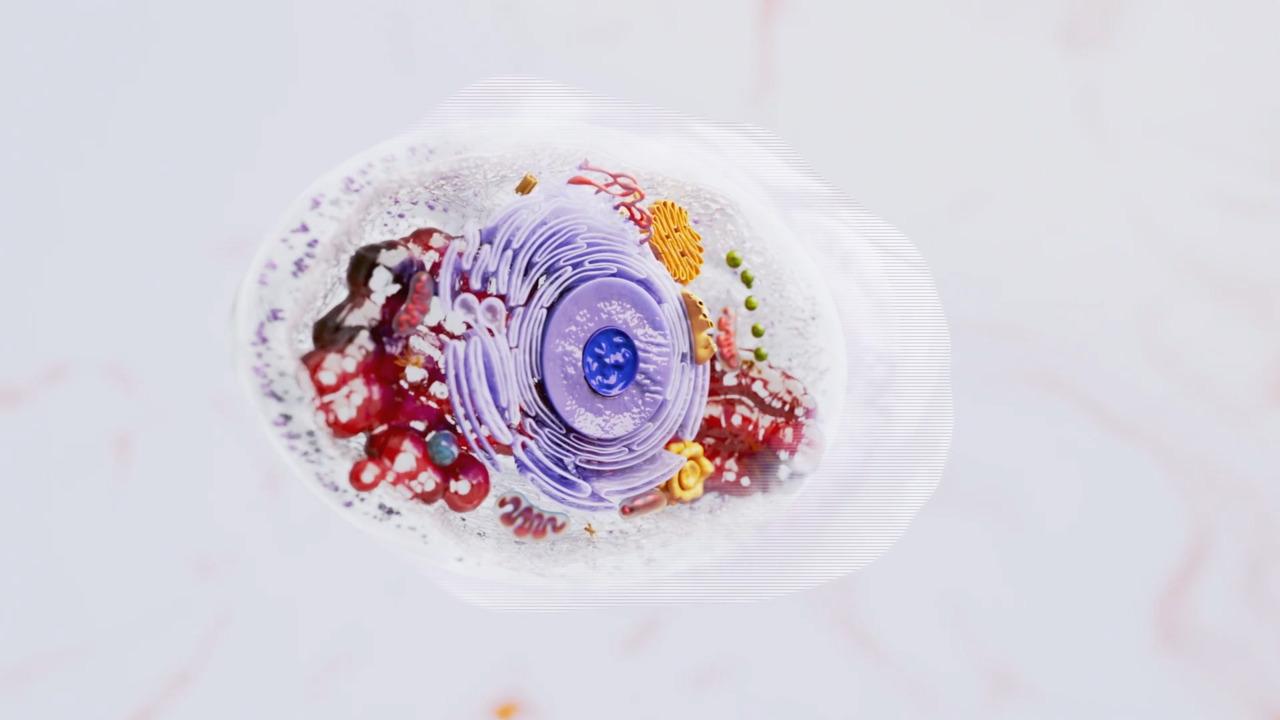
Arctis Cryo-Plasma FIB capabilities


Frequently asked questions about the Arctis Cryo-PFIB
Thin, electron-transparent samples (lamellae) free from contamination and ice crystals are critical for the acquisition of high-resolution cryo-tomograms, as the sample must be thin enough for the electron beam to pass through. A uniform lamella thickness is crucial since the effective sample thickness increases with tilt angle during tomography.
The ability of the Arctis Cryo Plasma-FIB to prepare high-quality lamellae is supported by access to different milling ion species (xenon, argon, and oxygen), which can even be used in sequence to further enhance sample preparation. Additionally, the lower-volume sample chamber and dedicated cryo-box allow a clean working environment to be maintained for multiple days by reducing water condensation and ice buildup.
Beyond the versatile multi-ion plasma FIB, the Arctis Cryo-PFIB features several critical technologies that enhance its sample preparation capabilities. This includes a Schottky field emission gun SEM and integrated fluorescence microscope (iFLM), which support sample navigation, targeting of regions of interest, and precise end-pointing for cryo-lamella preparation.
The Arctis Cryo-PFIB incorporates a gas injection system (GIS) and a retractable in-chamber sputter target, which enable the deposition of protective platinum layers, as well as coatings for improved sample conductivity during cryo-tomography. Having this capability within the FIB-SEM means that the sample does not need to be transferred to an external coater, significantly reducing the potential for sample damage and contamination.
The Arctis Cryo-PFIB has a number of automation and connectivity enhancements that support its integration into broader cryo-EM workflows. This includes a CompuStage for precise and stable sample handling, which is linked to an Autoloader (a robotic sample-handling device capable of loading and storing up to 12 vitrified grids under cryogenic conditions). With a Thermo Scientific Vacuum Capsule, these 12 grids can also be safely transferred from the Arctis Cryo-PFIB to Thermo Scientific Krios or Glacios Cryo-TEMs, minimizing the potential for sample damage and contamination.
Once samples are loaded into the Arctis Cryo-PFIB, lamella production processes can be set up remotely from a web-based control interface. You can batch-screen grids, perform correlative imaging (using the integrated fluorescence light microscope), and set up automated lamella preparation for multiple sites on multiple grids.
The Arctis Cryo-PFIB also utilizes Thermo Scientific TomoGrid Sample Carriers, which have been specifically designed for cryo-ET workflows and keep cryo-lamellae correctly aligned to the tomographic tilt axis of cryo-TEMs. TomoGrid Carriers can be used with existing AutoGrid-based Autoloader systems; however, a calibration/alignment is required to verify compatibility with each system.
For Research Use Only. Not for use in diagnostic procedures.