Search

Thermo Fisher Scientific(赛默飞世尔科技)的相关产品覆盖干细胞实验研究中的每一步。从重编程体细胞到 iPSC 培养扩增、、基因编辑、分化与鉴定,为可靠的实验结果提供保证。同时,赛默飞世尔科技也基于iPSC的治疗策略开发过程中的每个阶段(早期研发-临床生产-商业化)提供解决方案。
诱导多能干细胞(iPSC)目前的主要应用包括但不限于:
- 基础科学研究(疾病机制、发育生物学、细胞命运决定等)
- 药物开发与发现(为药物的发现、鉴定和筛选、靶标验证等提供生理相关细胞)
- 毒理学筛查(用于评估活细胞内化合物或药物的安全性)
- 干细胞治疗细胞疗法(神经退行性疾病、免疫疾病、糖尿病等适应症)
- 类器官研究(iPSC来源的组织类器官)
赛默飞即日发起Gibco B-27/N2产品问卷调研,参与调研即有机会获取赛默飞会员中心积分或精美礼品!
诱导性多能干细胞研究产品分步指南
- Step 1
重编程 - Step 2
培养扩增 - Step 3
基因编辑 - Step 4
诱导分化 - Step 5
分析鉴定
iPSCs通过特定转录因子的过表达,将体细胞重编程至多能性状态而获得。仙台病毒具有两大主要特点,使其成为重编程的优选系统。首先,仙台病毒可以通过黏附于多种不同类型细胞表面的唾液酸受体来感染细胞,因此可感染多种动物物种的细胞类型。其次,仙台病毒是RNA病毒,从而不会被整合到宿主基因组中。而 Epi5 iPSC episomal载体无需病毒包装即可转染至细胞内,适合于易于重编程的亲本细胞,但需注意DNA载体可能会整合到宿主基因组中。
即日起至2024年12月31日,下单即可享受限时飞享价。
在线订购如下产品,即可获得会员中心积分兑换多重好礼,点击登录赛默飞会员中心


更为经济的 PSC 2D培养基
- 成分简单确定,批次间稳定性高
- 价格经济
- 在Gibco cGMP质量标准体系下生产,不含异源成分
- 可无缝切换至CTS Essential 8培养基,不含动物源成分,提供 监管法规文件支持
- 文献引用数量超过1,000篇
批次间稳定高,文献引用+1000

兼具卓越性能和高性价比的 PSC 2D培养基
- 常规培养和重编程、基因编辑等复杂应用中均维持卓越的性能
- 高性价比
- 周末不换液
PSC单克隆高效扩增

适用于细胞治疗的的非基因组整合型重编程技术
- 性能与CytoTune-iPS 2.0试剂盒保持一致
- 在 FDA 注册的基地遵循21 CFR Part 820 的原则进行生产,不含动物源成分
- 可追溯性文件 ,可提供COA, COO,DMF, RSF
CTS CytoTune-iPS 2.1仙台病毒重编程试剂盒
高效重编程,提供法规支持文件

高效游离型载体形式、不依赖病毒的重编程试剂盒
- 无需使用小分子,并且已添加的 p53 抑制可提高 重编程效率
- 可用于您的 iPSC 研究的所有阶段—无转基因且无病毒的重编程使得操作可用于从基础研究到临床前研究
- 灵活适用于feeder-free或基于饲养层的培养基系统
不依赖病毒的重编程工具

经典的非基因组整合型重编程技术
- 对成纤维细胞和血液细胞重编程的成功率高
- 可扩展的细胞系生成方法,手动处理时间极短
- 快速清除RNA载体
- 可无缝切换至CTS CytoTune重编程试剂盒,支持研究转向临床应用
高效重编程成纤维细胞和PBMC

PSC 培养需要一整套兼容的培养基、基质和传代方法,以支持细胞的健康生长和保持细胞的多能性。从最初的含血清培养体系,发展为feeder-free完全培养基体系,再到不含异源/动物源成分的临床级别培养基体系,现在的PSC培养体系可灵活支持各种干细胞研究需求。同时,随着药物开发和治疗的快速发展,研究人员开发出了悬浮培养方法,保证快速、经济、稳定的PSC大量扩增。
即日起至2024年12月31日,下单即可享受限时飞享价。
在线订购如下产品,即可获得会员中心积分兑换多重好礼,点击登录赛默飞会员中心
分类: 培养基基质传代/冻存/复苏添加剂
兼具卓越性能和高性价比的 PSC 2D培养基
- 常规培养和重编程、基因编辑等复杂应用中均维持卓越的性能
- 高性价比
- 周末不换液
- 文献引用数量超过1,100篇
PSC单克隆高效扩增

更为经济的 PSC 2D培养基
- 成分简单确定,批次间稳定性高
- 价格经济
- 在Gibco cGMP质量标准体系下生产,不含异源成分
- 可无缝切换至CTS Essential 8培养基,不含动物源成分,提供监管法规文件支持
- 文献引用数量超过1,000篇
批次间稳定高,文献引用+1000

Essential 8新升级的PSC 2D培养基
- 成分简单确定,批次间稳定性高
- Essential 8升级款,在Gibco cGMP质量标准体系下生产,不含异源成分
- 周末不换液
E8升级款,支持隔天换液


基于广泛应用的Essential 8培养基,我们开发了Gibco™细胞治疗系统(CTS™)级别、成分完全明确的人类多能干细胞培养基
- 降低风险 — 无动物和人类来源成分,成分完全明确,并通过外源因子测试
- 促进监管文件提交和审批 — 具有符合cGMP标准的生产和法规文件,包括FDA备案的药物主文件
- 实现无缝过渡 — 具有与研究级Essential 8培养基相同的8组分配方,且无动物及人来源成分
不含动物源成分,提供法规支持文件

开启细胞治疗PSC 培养的新维度
- 卓越的扩增能力—与其他PSC 悬浮培养基相比,可提高约30% 的扩增效率,从而减少制造时间和成本
- 临床应用的可扩展扩增—从小规模到大规模,在多种培养容器形式和规格中培养PSC
- 无需细胞滤网—消除规模限制,降低污染风险和手动操作时间,并提高细胞活力和产量
- 适用于细胞疗法—通过GMP生产、广泛的安全性检测、原材料的可追溯性和监管文件简化监管申报
不含异源成分,提供法规支持文件

支持PSC快速、稳定、大量扩增的3D悬浮培养基
- 每次传代可实现5-10倍扩增
- 无需微载体或滤网,更简单的换液和扩增流程
- 在保持多能性和细胞活力的同时实现可靠且一致的球状体形成
无需微载体的3D悬浮培养

KSR是一种成分更明确的无FBS培养添加剂,专为取代滋养层PSC培养中的FBS而设计
- KSR能够更好地维持未分化PSC,并具有稳定的供应
- 成分更明确,得到更稳定的实验结果
批次间稳定性高,30年的经典选择

一种基础培养基,经优化用于未分化胚胎干细胞及诱导型多能干细胞生长
- 渗透压经优化接近小鼠胚胎组织的渗透压
- 不含 L-谷氨酰胺
批次间稳定性高,PSC高效扩增

一种成分确定的人重组蛋白质,可作为细胞外基质用于人类多能干细胞 (PSC) 的无滋养层培养
在 James Thomson 的实验室中与 Essential 8™ 培养基配套使用成分确定,减少 PSC 培养的批间差异可无缝切换至CTS VTN基质,不含动物源成分,提供监管法规文件支持
Essential 8经典搭配基质

用于人胚胎干细胞和诱导多能干细胞的基础培养基
- 低渗透压培养基,不含 L-谷氨酰胺或 HEPES 缓冲剂
批次间稳定性高,PSC高效扩增

从鼠 Engelbreth-Holm-Swarm (EHS) 肿瘤中提取的可溶性基底膜,不含病毒
- 每个批次都使用 hESC 进行鉴定, 这有助于减少客户对批次筛选的需求
- 不含乳糖脱氢酶升高病毒 (LDEV),使其可安全用于所有类型的细胞培养
- 批次间一致的蛋白质浓度有助于确保结果的重现性
批次间更一致的蛋白质浓度

一种基于蛋白水解酶和胶原酶的细胞解离试剂
- 在解离干细胞并维持高细胞活性方面表现优异
更温和的干细胞解离试剂

用于为人多能干细胞 (PSC) 的无饲养层培养提供一层成分明确的表面
- 仅需极少的工作量,即可实现细胞在饲养层依赖性培养系统与无饲养层培养系统之间的过渡
- 可在没有 ROCK 抑制剂的情况下促进多能干细胞作为单细胞的稳定维持
无需添加ROCK抑制剂的基质

一种蛋白酶,其可以切割 Pro-X-Glyc-Pro 序列(常见于胶原蛋白)中的中性氨基酸 (X) 与甘氨酸之间的键
- 适用于人类肿瘤、小鼠肾脏、成人和胎儿大脑以及许多其他组织(包括上皮细胞)的解离
- 相对温和,在生理温度和 pH 值下具有良好的解离能力,无需机械搅拌或特殊设备
相对温和,适用于多种组织的解离

技术转化子NIH,4种小分子组合(chroman 1、emricasan、多胺和反式ISRIB)
- 可提高 PSC 冻存的细胞存活率
- 促进健康球状体的形成
- 提高冻存原代小鼠皮质神经元的存活率,从而在培养期间扩增得到更多的细胞数量
显著提高细胞活率

一种氨基内肽酶,可水解非极性氨基酸残基的 N 端肽键
- 可用于原代细胞的分离和常规传代
- 相对温和,在生理温度和 pH 值下具有良好的解离能力,通常可维持细胞膜完整性
相对温和,适用于原代细胞的分离

一种非动物源性重组酶,用于解离多种贴壁哺乳动物细胞
- 对细胞作用温和—保持细胞健康
- 室温稳定—方便使用
- 易于使用—可直接替代现有方案中的相应组分,无需灭活
- 非动物源性 (AOF)—高纯度、一致且高效
不含动物源成分,单细胞解离

为增加稳定性和效力而进行化学修饰的可即时转染的单链向导RNAs(sgRNAs)
- 预先设计的 gRNA 旨在使基因敲除效率最大化,且不影响特异性
- 可轻松订购定制 gRNA
- 可在免费软件(TrueDesign) 上设计和订购精准基因组编辑实验的 sgRNA
Countess 3系列自动细胞计数仪
准确、精密、省时

PSC 的自我更新和分化能力使其非常适合构建疾病模型和细胞模型,用于药物开发和细胞治疗应用。通过化学转染或者电转Cas9蛋白复合体的方法,对PSC进行基因编辑进一步提升了其在科研和临床领域的实用性,可实现复杂的遗传疾病模型构建。使用Invitrogen TrueDesign 基因组编辑工具,免费设计5个物种中的6种基因编辑设计。
即日起至2024年12月31日,下单即可享受限时飞享价。
在线订购如下产品,即可获得会员中心积分兑换多重好礼,点击登录赛默飞会员中心
具有超高编辑效率的新一代野生型 Cas9蛋白
- 卓越的编辑效率 — 在所有测试过的细胞(包括原代细胞、干细胞和免疫细胞)中始终如一的高靶向编辑效率
- 卓越的性能 — 对困难靶点的编辑效率相比竞争对手高达 2 倍
- 高品质 — 严格按照 ISO 13485 质量标准制造
高编辑效率,ISO 13485质量标准

兼具低脱靶效应与高靶向编辑效率的Cas9蛋白变体
- 更高的特异性 — 显著降低包括原代细胞、干细胞和免疫细胞在内的多种细胞类型的脱靶效应
- 高编辑效率 — 保持野生型 TrueCutCas9 蛋白 v2 的高靶向编辑效率
- 高品质 — 严格按照 ISO 13485 质量标准制造
Invitrogen™ TrueCut™ HiFi Cas9
低脱靶效应,高编辑效率

经过优化,可在各种干细胞中实现更高转染效率
- 卓越的性能 —与其他试剂相比,iPSC、hESC、NSC 和 MSC 的效率高出 3 倍
- 用途广泛—一种用于 DNA、RNA、Cas9 蛋白和共转染的试剂
- 对细胞温和—维持细胞增殖而不诱导分化
- 柔性—转染粘附或悬浮液中的细胞——电穿孔的替代方案
多种干细胞中均实现高转染效率

野生型 Cas9 蛋白的 Gibco 细胞治疗系统(CTS)版本
- 卓越的性能 — 在所有测试细胞系中始终保持高性能(T 细胞中编辑效率>90%)
- 更严格的生产规范 — 按照细胞和组织产品辅助材料标准制造,包括 USP<1043>、Ph.Eur. 5.2.12 和 ISO 20399-1、-2 和 -3;在 FDA 注册的基地遵循21 CFR Part 820 的原则进行生产
- 可追溯性文件 ,可提供COA, COO,DMF, RSF
- 广泛的安全测试,包括生物负载、内毒素、支原体、宿主残留核酸和蛋白质
cGMP级别生产,提供法规支持文件

易于使用的基因编辑在线设计工具,用于精确的基因编辑和基因标记实验
- 可设计 gRNA 和 DNA 供体,用于在任何位置对任何转录本进行 SNP 替换、插入、删除和大片段替换
- 为五种不同物种(人、小鼠、大鼠、斑马鱼和线虫) 的基因编辑设计提供保障
- 内嵌TrueCut Cas9, TrueGuide gRNA和TrueTag供体DNA多种产品选择,一键订购所需实验材料
- 直接关联到NCBI上GenBank等多种国际生物学数据库
- 免费!只需注册赛默飞中国官方账号即可使用
Invitrogen™ TrueDesign 基因组编辑工具
5个物种、6种基因编辑设计

高保真 Cas9 蛋白的 Gibco 细胞治疗系统(CTS)版本
- 更高的特异性 — 显著降低包括原代细胞、干细胞和免疫细胞在内的多种细胞类型的脱靶效应
- 高编辑效率 — 保持野生型 TrueCutCas9 蛋白 v2 的高靶向编辑效率
- 更严格的生产规范 — 按照细胞和组织产品辅助材料标准制造,包括 USP<1043>、Ph.Eur. 5.2.12 和 ISO 20399-1、-2 和 -3;在 FDA 注册的基地遵循21 CFR Part 820 的原则进行生产
- 可追溯性文件 ,可提供COA, COO,DMF, RSF
- 广泛的安全测试,包括生物负载、内毒素、支原体、宿主残留核酸和蛋白质
cGMP级别生产,提供法规支持文件

为增加稳定性和效力而进行化学修饰的可即时转染的单链向导RNAs(sgRNAs)
- 预先设计的 gRNA 旨在使基因敲除效率最大化,且不影响特异性
- 可轻松订购定制 gRNA
- 可在免费软件(TrueDesign) 上设计和订购精准基因组编辑实验的 sgRNA
TrueGuide 合成 gRNA
经化学修饰,稳定性高

规格:5 nmol
Neon升级款电转仪
- 极高的转染效率和细胞存活率—可转染具有挑战性的细胞株,转染效率高、细胞活率高
- 根据需要灵活变通—针对不同的细胞类型、细胞密度、递送物质和电转染方案,精确优化电转染参数。
- 节省宝贵的研究时间—利用一个缓冲液试剂盒和直观的用户界面,通过 3 步简单的工作流程即可快速转染细胞
- 保存珍贵的样本—尽量减少样本输送造成损失和污染的风险
可靠的转染性能

当培养在特定的体系中(B-27/N2添加剂、生长因子、小分子),PSCs 可分化为特定的三胚层细胞谱系,包括神经元、心肌细胞、胰岛细胞等体内其他任意细胞类型。
即日起至2024年12月31日,下单即可享受限时飞享价。
在线订购如下产品,即可获得会员中心积分兑换多重好礼,点击登录赛默飞会员中心
一系列成分确定的无血清添加剂,这些组分以最优比例混合后可支持多种成体细胞或干细胞的培养。
- 无血清添加剂
- 包含经典款B-27、去除维生素A、去除胰岛素等多种形式,可支持多种细胞、组织或类器官研究
- 同行引用文献超过30,000篇
批次间稳定高,文献引用+30,000

B-27添加剂升级版
- 比其他市售无血清神经元培养基系统更高的原代大鼠、小鼠和人干细胞来源神经元存活率
- 电生理活性和成熟度更高—相较于 BrainPhys™ 神经元培养基,10 天后原代啮齿动物神经元的自发活性更一致、稳定和同步
- 加速神经元突起生长并增加突触阳性刻点的数量
更高的神经元存活率

一系列成分确定的无血清添加剂,这些组分以最优比例混合后可支持多种成体细胞或干细胞的培养。
- 无血清添加剂
- 包含经典款B-27、去除维生素A、去除胰岛素等多种形式,可支持多种细胞、组织或类器官研究
- 同行引用文献超过30,000篇
批次间稳定高,文献引用+30,000
为满足神经元最佳培养需求,经过优化,形成的一个完整的基础培养基系统
- 可以维持神经细胞的长期生长和正常表型
- 能维持高纯度的神经元培养,而无需星型胶质细胞滋养层
维持高纯度的神经元培养

一系列成分确定的无血清添加剂,这些组分以最优比例混合后可支持多种成体细胞或干细胞的培养。
- 无血清添加剂
- 包含经典款B-27、去除维生素A、去除胰岛素等多种形式,可支持多种细胞、组织或类器官研究
- 同行引用文献超过30,000篇
批次间稳定高,文献引用+30,000
助您从干细胞转化医学研究转向临床生产
- 三种版本可供选择(经典款、去除维生素 A 和去除胰岛素)
- 与仅供研究使用的 (RUO) Gibco™ B-27 ™ 添加剂 XenoFree 性能相当
- CTS B-27 添加剂 XenoFree 在 FDA 注册的基地遵循21 CFR Part 820 的原则进行生产,同时符合USP<1043>、Ph.Eur. 5.2.12,可提供COO, COA, DMF等法规支持文件
不含异源成分,提供法规支持文件

成分确定的无血清添加剂,这些组分以最优比例混合后可支持多种成体细胞或干细胞的培养。
- 无血清添加剂,可支持多种细胞、组织或类器官研究
批次间稳定高,文献引用+30,000

赛默飞世尔科技于2021年收购了 PeproTech,现在以Gibco 品牌提供其丰富的重组蛋白产品组合。
PeproTech 重组细胞因子和生长因子因其质量、一致性和可靠性以及其支持 RUO 与 GMP 过渡的能力而值得信赖。
PeproTech细胞因子
重组蛋白和生长因子种类+1,000

助您从干细胞转化医学研究转向临床生产
- 三种版本可供选择(经典款、去除维生素 A 和去除胰岛素)
- 与仅供研究使用的 (RUO) Gibco™ B-27 ™ 添加剂 XenoFree 性能相当
- CTS B-27 添加剂 XenoFree 在 FDA 注册的基地遵循21 CFR Part 820 的原则进行生产,同时符合USP<1043>、Ph.Eur. 5.2.12,可提供COO, COA, DMF等法规支持文件
不含异源成分,提供法规支持文件
助您从干细胞转化医学研究转向临床生产
- 三种版本可供选择(经典款、去除维生素 A 和去除胰岛素)
- 与仅供研究使用的 (RUO) Gibco™ B-27 ™ 添加剂 XenoFree 性能相当
- CTS B-27 添加剂 XenoFree 在 FDA 注册的基地遵循21 CFR Part 820 的原则进行生产,同时符合USP<1043>、Ph.Eur. 5.2.12,可提供COO, COA, DMF等法规支持文件
不含异源成分,提供法规支持文件
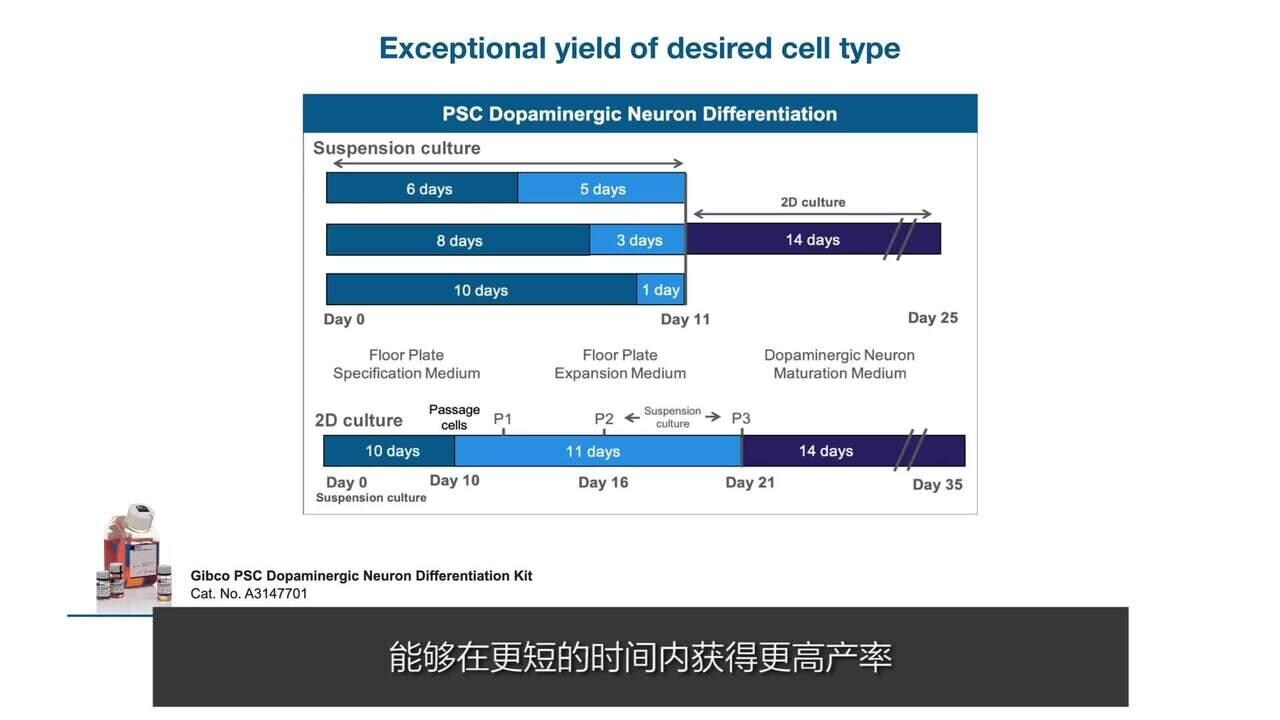
Gibco™ PSC多巴胺能神经元分化试剂盒可使多能干细胞(PSC)分化成中脑多巴胺能神经元。
PSC多巴胺能神经元分化试剂盒具有更强的灵活性、速度和可扩展性,同时保持合适的生物相关性
高效的神经元分化

由一套无血清和无异源动物成分培养基组成, 在更短的时间内使PSC分化为心肌细胞
仅需8天即可使人类PSC高效分化为具收缩能力的心肌细胞, 并且可维持培养超过15天
心肌细胞分化仅需8天,维持培养超15天

Gibco定形内胚层诱导试剂盒由两种无异源动物成分的培养基组成,可高效诱导人多能干细胞生成定形内胚层
可在2天内即获得90% CXCR4+/PDGFRα–定形内胚层细胞
2天内获得定形内胚层细胞

鉴定在干细胞研究中是必要步骤,主要测试干细胞功能多能性,及是否存在可能影响细胞行为和安全的异常,除此之外,可能还需要鉴定来确定干细胞分化后形成的细胞类型。
即日起至2024年12月31日,下单即可享受限时飞享价。
在线订购如下产品,即可获得会员中心积分兑换多重好礼,点击登录赛默飞会员中心
一种适用于两步法RT-qPCR中第一链cDNA合成的反应混合物,该预混液将经优化的缓冲条件与具有高合成能力且热稳定的SuperScript IV 反转录酶相结合,从而将值得信赖的VILO技术(多种模板,线性输出)提升到了新的水平。
- 10分钟快速完成反转录
- 高产量,Ct 值相比其它反转录试剂降低超过2个循环
- 一管式cDNA反应预混液,使用方便
- 即使对于低样本量或不纯样本,也能进行高效cDNA合成
10分钟快速完成反转录

该试剂盒包含cDNA合成所需的所有组分,可针对0.02 - 2 µg总RNA进行高效cDNA合成。
- 有助于荧光定量 PCR 中的线性靶标扩增
- 相比同类cDNA合成试剂盒,具有更高的得率和精确度
- 动态范围比同类试剂盒大10倍
- 价格实惠,高性价比
动态范围比同类试剂盒大10倍

基于抗体的检测方法如蛋白免疫印迹,ICC/IF和流式细胞术,通常被广泛用来表征各类干细胞及其分化细胞,Invitrogen提供丰富的干细胞标志物抗体,经过严格两步法验证的高级验证抗体更能保证您的数据质量
Invitrogen干细胞标记物抗体
严格两步法验证的高级验证抗体
使用反转录实时荧光定量 PCR (RT-qPCR) 对培养细胞进行基因表达分析的完整工作流程
- 简单快速 - 一般在10分钟内完成96个样本的制备用于RT-qPCR
- 无需繁琐的RNA纯化 - 无需使用分离柱、加热或离心
- 出众的性能 - 可以从10–100,000个细胞中获得一致的准确性、可重复性和灵敏度
- 工作流程经过验证 - 已经过预先优化的全套高效试剂,即取即用
10分钟内可完成96个RT-qPCR样本制备

Invitrogen™ Molecular Probes作为全球公认的“荧光标记及检测专家”,经过广泛且长期验证,具有极高的文献引用数量。针对iPSC成像分析,我们为您提供可延长荧光信号持续时间与强度的Prolong抗淬灭封片剂,显著提升检测灵敏度的SuperBoost 酪酰胺信号放大系统,种类齐全的细胞结构与细胞器荧光探针,质量可靠的细胞功能分析试剂,以及丰富的成像实验资源,是干细胞研究的利器。
Molecular Probes荧光标记和检测试剂
极高的文献引用数量
EVOS 智能活细胞成像分析系统采用双相机双光路设计,搭载全自动载物台和Z-Stack全自动聚焦模块,可满足高质量图像获取,高通量快速成像等实验需求,同时可选配全新Celleste 专业图像分析软件,快速完成包括2D/3D反卷积图像分析,3D可视化图像分析等诸多全新应用功能。用户还可选配Onstage Incubator 全自动活细胞培养培养平台,实时完成活细胞培养观测一体化实验需求。
- 双相机双光路共聚焦显微镜系统
- 成像速度快
- 适合各种类型多孔板高通量成像及分析
- 中英文双选软件操作及分析界面
- 可选配专业级图像分析软件
- 可搭载专配活细胞培养分析平台
- 超长光源寿命
- 几乎无任何额外维护成本
EVOS 智能活细胞成像分析系统
双相机双光路共聚焦显微镜系统

iBright™成像系统具有多种强大的功能,可帮助您轻松进行 WB 印迹膜和凝胶成像以及进行图像分析。
- 高分辨率910万像素冷 CCD 相机和自动化功能可帮助您快速获取出版级标准质•量的数据
- 更多拓展功能,4色荧光同时成像,快速进行总蛋白归一化实验,获取更多平行数据
- 操作自如的触摸屏界面提供流程的操作体验,即使新手也能很快掌握
- 提供机器内置分析软件和电脑版分析软件,让图像分析更得心应手
iBright成像系统
910万像素,4色荧光同时成像

在Attune NxT流式细胞仪的基础上增加了明场成像功能,既保留了传统流式高速、高参数、大数据分析的优势,又增加了明场观察细胞形态、活性等信息
- 声波聚焦技术,上样速度比传统流式细胞仪快10倍
- 高速成像功能,6000张图片/秒
- 专利抗堵设计,大细胞、黏细胞轻松上样
- 可达4激光16个参数,配置灵活,可现场升级
- 具备细胞绝对计数功能,同时可配置流式自动化工作站
Invitrogen™ Attune™ CytPix™ 成像型流式细胞仪
声波聚焦技术,6000张图片/秒

iPSCs通过特定转录因子的过表达,将体细胞重编程至多能性状态而获得。仙台病毒具有两大主要特点,使其成为重编程的优选系统。首先,仙台病毒可以通过黏附于多种不同类型细胞表面的唾液酸受体来感染细胞,因此可感染多种动物物种的细胞类型。其次,仙台病毒是RNA病毒,从而不会被整合到宿主基因组中。而 Epi5 iPSC episomal载体无需病毒包装即可转染至细胞内,适合于易于重编程的亲本细胞,但需注意DNA载体可能会整合到宿主基因组中。
即日起至2024年12月31日,下单即可享受限时飞享价。
在线订购如下产品,即可获得会员中心积分兑换多重好礼,点击登录赛默飞会员中心
更为经济的 PSC 2D培养基
- 成分简单确定,批次间稳定性高
- 价格经济
- 在Gibco cGMP质量标准体系下生产,不含异源成分
- 可无缝切换至CTS Essential 8培养基,不含动物源成分,提供 监管法规文件支持
- 文献引用数量超过1,000篇
批次间稳定高,文献引用+1000
兼具卓越性能和高性价比的 PSC 2D培养基
- 常规培养和重编程、基因编辑等复杂应用中均维持卓越的性能
- 高性价比
- 周末不换液
PSC单克隆高效扩增
适用于细胞治疗的的非基因组整合型重编程技术
- 性能与CytoTune-iPS 2.0试剂盒保持一致
- 在 FDA 注册的基地遵循21 CFR Part 820 的原则进行生产,不含动物源成分
- 可追溯性文件 ,可提供COA, COO,DMF, RSF
CTS CytoTune-iPS 2.1仙台病毒重编程试剂盒
高效重编程,提供法规支持文件
高效游离型载体形式、不依赖病毒的重编程试剂盒
- 无需使用小分子,并且已添加的 p53 抑制可提高 重编程效率
- 可用于您的 iPSC 研究的所有阶段—无转基因且无病毒的重编程使得操作可用于从基础研究到临床前研究
- 灵活适用于feeder-free或基于饲养层的培养基系统
不依赖病毒的重编程工具
经典的非基因组整合型重编程技术
- 对成纤维细胞和血液细胞重编程的成功率高
- 可扩展的细胞系生成方法,手动处理时间极短
- 快速清除RNA载体
- 可无缝切换至CTS CytoTune重编程试剂盒,支持研究转向临床应用
高效重编程成纤维细胞和PBMC
PSC 培养需要一整套兼容的培养基、基质和传代方法,以支持细胞的健康生长和保持细胞的多能性。从最初的含血清培养体系,发展为feeder-free完全培养基体系,再到不含异源/动物源成分的临床级别培养基体系,现在的PSC培养体系可灵活支持各种干细胞研究需求。同时,随着药物开发和治疗的快速发展,研究人员开发出了悬浮培养方法,保证快速、经济、稳定的PSC大量扩增。
即日起至2024年12月31日,下单即可享受限时飞享价。
在线订购如下产品,即可获得会员中心积分兑换多重好礼,点击登录赛默飞会员中心
分类: 培养基基质传代/冻存/复苏添加剂
兼具卓越性能和高性价比的 PSC 2D培养基
- 常规培养和重编程、基因编辑等复杂应用中均维持卓越的性能
- 高性价比
- 周末不换液
- 文献引用数量超过1,100篇
PSC单克隆高效扩增
更为经济的 PSC 2D培养基
- 成分简单确定,批次间稳定性高
- 价格经济
- 在Gibco cGMP质量标准体系下生产,不含异源成分
- 可无缝切换至CTS Essential 8培养基,不含动物源成分,提供监管法规文件支持
- 文献引用数量超过1,000篇
批次间稳定高,文献引用+1000
Essential 8新升级的PSC 2D培养基
- 成分简单确定,批次间稳定性高
- Essential 8升级款,在Gibco cGMP质量标准体系下生产,不含异源成分
- 周末不换液
E8升级款,支持隔天换液
支持PSC快速、稳定、大量扩增的3D悬浮培养基
- 每次传代可实现5-10倍扩增
- 无需微载体或滤网,更简单的换液和扩增流程
- 在保持多能性和细胞活力的同时实现可靠且一致的球状体形成
无需微载体的3D悬浮培养
基于广泛应用的Essential 8培养基,我们开发了Gibco™细胞治疗系统(CTS™)级别、成分完全明确的人类多能干细胞培养基
- 降低风险 — 无动物和人类来源成分,成分完全明确,并通过外源因子测试
- 促进监管文件提交和审批 — 具有符合cGMP标准的生产和法规文件,包括FDA备案的药物主文件
- 实现无缝过渡 — 具有与研究级Essential 8培养基相同的8组分配方,且无动物及人来源成分
不含动物源成分,提供法规支持文件
开启细胞治疗PSC 培养的新维度
- 卓越的扩增能力—与其他PSC 悬浮培养基相比,可提高约30% 的扩增效率,从而减少制造时间和成本
- 临床应用的可扩展扩增—从小规模到大规模,在多种培养容器形式和规格中培养PSC
- 无需细胞滤网—消除规模限制,降低污染风险和手动操作时间,并提高细胞活力和产量
- 适用于细胞疗法—通过GMP生产、广泛的安全性检测、原材料的可追溯性和监管文件简化监管申报
不含异源成分,提供法规支持文件
KSR是一种成分更明确的无FBS培养添加剂,专为取代滋养层PSC培养中的FBS而设计
- KSR能够更好地维持未分化PSC,并具有稳定的供应
- 成分更明确,得到更稳定的实验结果
批次间稳定性高,30年的经典选择
一种基础培养基,经优化用于未分化胚胎干细胞及诱导型多能干细胞生长
- 渗透压经优化接近小鼠胚胎组织的渗透压
- 不含 L-谷氨酰胺
批次间稳定性高,PSC高效扩增
一种成分确定的人重组蛋白质,可作为细胞外基质用于人类多能干细胞 (PSC) 的无滋养层培养
在 James Thomson 的实验室中与 Essential 8™ 培养基配套使用成分确定,减少 PSC 培养的批间差异可无缝切换至CTS VTN基质,不含动物源成分,提供监管法规文件支持
Essential 8经典搭配基质
用于人胚胎干细胞和诱导多能干细胞的基础培养基
- 低渗透压培养基,不含 L-谷氨酰胺或 HEPES 缓冲剂
批次间稳定性高,PSC高效扩增
从鼠 Engelbreth-Holm-Swarm (EHS) 肿瘤中提取的可溶性基底膜,不含病毒
- 每个批次都使用 hESC 进行鉴定, 这有助于减少客户对批次筛选的需求
- 不含乳糖脱氢酶升高病毒 (LDEV),使其可安全用于所有类型的细胞培养
- 批次间一致的蛋白质浓度有助于确保结果的重现性
批次间更一致的蛋白质浓度
一种基于蛋白水解酶和胶原酶的细胞解离试剂
- 在解离干细胞并维持高细胞活性方面表现优异
更温和的干细胞解离试剂
用于为人多能干细胞 (PSC) 的无饲养层培养提供一层成分明确的表面
- 仅需极少的工作量,即可实现细胞在饲养层依赖性培养系统与无饲养层培养系统之间的过渡
- 可在没有 ROCK 抑制剂的情况下促进多能干细胞作为单细胞的稳定维持
无需添加ROCK抑制剂的基质
一种蛋白酶,其可以切割 Pro-X-Glyc-Pro 序列(常见于胶原蛋白)中的中性氨基酸 (X) 与甘氨酸之间的键
- 适用于人类肿瘤、小鼠肾脏、成人和胎儿大脑以及许多其他组织(包括上皮细胞)的解离
- 相对温和,在生理温度和 pH 值下具有良好的解离能力,无需机械搅拌或特殊设备
相对温和,适用于多种组织的解离
技术转化子NIH,4种小分子组合(chroman 1、emricasan、多胺和反式ISRIB)
- 可提高 PSC 冻存的细胞存活率
- 促进健康球状体的形成
- 提高冻存原代小鼠皮质神经元的存活率,从而在培养期间扩增得到更多的细胞数量
显著提高细胞活率
一种氨基内肽酶,可水解非极性氨基酸残基的 N 端肽键
- 可用于原代细胞的分离和常规传代
- 相对温和,在生理温度和 pH 值下具有良好的解离能力,通常可维持细胞膜完整性
相对温和,适用于原代细胞的分离
一种非动物源性重组酶,用于解离多种贴壁哺乳动物细胞
- 对细胞作用温和—保持细胞健康
- 室温稳定—方便使用
- 易于使用—可直接替代现有方案中的相应组分,无需灭活
- 非动物源性 (AOF)—高纯度、一致且高效
不含动物源成分,单细胞解离
为增加稳定性和效力而进行化学修饰的可即时转染的单链向导RNAs(sgRNAs)
- 预先设计的 gRNA 旨在使基因敲除效率最大化,且不影响特异性
- 可轻松订购定制 gRNA
- 可在免费软件(TrueDesign) 上设计和订购精准基因组编辑实验的 sgRNA
Countess 3系列自动细胞计数仪
准确、精密、省时
PSC 的自我更新和分化能力使其非常适合构建疾病模型和细胞模型,用于药物开发和细胞治疗应用。通过化学转染或者电转Cas9蛋白复合体的方法,对PSC进行基因编辑进一步提升了其在科研和临床领域的实用性,可实现复杂的遗传疾病模型构建。使用Invitrogen TrueDesign 基因组编辑工具,免费设计5个物种中的6种基因编辑设计。
即日起至2024年12月31日,下单即可享受限时飞享价。
在线订购如下产品,即可获得会员中心积分兑换多重好礼,点击登录赛默飞会员中心
具有超高编辑效率的新一代野生型 Cas9蛋白
- 卓越的编辑效率 — 在所有测试过的细胞(包括原代细胞、干细胞和免疫细胞)中始终如一的高靶向编辑效率
- 卓越的性能 — 对困难靶点的编辑效率相比竞争对手高达 2 倍
- 高品质 — 严格按照 ISO 13485 质量标准制造
高编辑效率,ISO 13485质量标准
兼具低脱靶效应与高靶向编辑效率的Cas9蛋白变体
- 更高的特异性 — 显著降低包括原代细胞、干细胞和免疫细胞在内的多种细胞类型的脱靶效应
- 高编辑效率 — 保持野生型 TrueCutCas9 蛋白 v2 的高靶向编辑效率
- 高品质 — 严格按照 ISO 13485 质量标准制造
Invitrogen™ TrueCut™ HiFi Cas9
低脱靶效应,高编辑效率
经过优化,可在各种干细胞中实现更高转染效率
- 卓越的性能 —与其他试剂相比,iPSC、hESC、NSC 和 MSC 的效率高出 3 倍
- 用途广泛—一种用于 DNA、RNA、Cas9 蛋白和共转染的试剂
- 对细胞温和—维持细胞增殖而不诱导分化
- 柔性—转染粘附或悬浮液中的细胞——电穿孔的替代方案
多种干细胞中均实现高转染效率
野生型 Cas9 蛋白的 Gibco 细胞治疗系统(CTS)版本
- 卓越的性能 — 在所有测试细胞系中始终保持高性能(T 细胞中编辑效率>90%)
- 更严格的生产规范 — 按照细胞和组织产品辅助材料标准制造,包括 USP<1043>、Ph.Eur. 5.2.12 和 ISO 20399-1、-2 和 -3;在 FDA 注册的基地遵循21 CFR Part 820 的原则进行生产
- 可追溯性文件 ,可提供COA, COO,DMF, RSF
- 广泛的安全测试,包括生物负载、内毒素、支原体、宿主残留核酸和蛋白质
cGMP级别生产,提供法规支持文件
易于使用的基因编辑在线设计工具,用于精确的基因编辑和基因标记实验
- 可设计 gRNA 和 DNA 供体,用于在任何位置对任何转录本进行 SNP 替换、插入、删除和大片段替换
- 为五种不同物种(人、小鼠、大鼠、斑马鱼和线虫) 的基因编辑设计提供保障
- 内嵌TrueCut Cas9, TrueGuide gRNA和TrueTag供体DNA多种产品选择,一键订购所需实验材料
- 直接关联到NCBI上GenBank等多种国际生物学数据库
- 免费!只需注册赛默飞中国官方账号即可使用
Invitrogen™ TrueDesign 基因组编辑工具
5个物种、6种基因编辑设计
高保真 Cas9 蛋白的 Gibco 细胞治疗系统(CTS)版本
- 更高的特异性 — 显著降低包括原代细胞、干细胞和免疫细胞在内的多种细胞类型的脱靶效应
- 高编辑效率 — 保持野生型 TrueCutCas9 蛋白 v2 的高靶向编辑效率
- 更严格的生产规范 — 按照细胞和组织产品辅助材料标准制造,包括 USP<1043>、Ph.Eur. 5.2.12 和 ISO 20399-1、-2 和 -3;在 FDA 注册的基地遵循21 CFR Part 820 的原则进行生产
- 可追溯性文件 ,可提供COA, COO,DMF, RSF
- 广泛的安全测试,包括生物负载、内毒素、支原体、宿主残留核酸和蛋白质
cGMP级别生产,提供法规支持文件
为增加稳定性和效力而进行化学修饰的可即时转染的单链向导RNAs(sgRNAs)
- 预先设计的 gRNA 旨在使基因敲除效率最大化,且不影响特异性
- 可轻松订购定制 gRNA
- 可在免费软件(TrueDesign) 上设计和订购精准基因组编辑实验的 sgRNA
TrueGuide 合成 gRNA
经化学修饰,稳定性高
规格:5 nmol
Neon升级款电转仪
- 极高的转染效率和细胞存活率—可转染具有挑战性的细胞株,转染效率高、细胞活率高
- 根据需要灵活变通—针对不同的细胞类型、细胞密度、递送物质和电转染方案,精确优化电转染参数。
- 节省宝贵的研究时间—利用一个缓冲液试剂盒和直观的用户界面,通过 3 步简单的工作流程即可快速转染细胞
- 保存珍贵的样本—尽量减少样本输送造成损失和污染的风险
可靠的转染性能
当培养在特定的体系中(B-27/N2添加剂、生长因子、小分子),PSCs 可分化为特定的三胚层细胞谱系,包括神经元、心肌细胞、胰岛细胞等体内其他任意细胞类型。
即日起至2024年12月31日,下单即可享受限时飞享价。
在线订购如下产品,即可获得会员中心积分兑换多重好礼,点击登录赛默飞会员中心
一系列成分确定的无血清添加剂,这些组分以最优比例混合后可支持多种成体细胞或干细胞的培养。
- 无血清添加剂
- 包含经典款B-27、去除维生素A、去除胰岛素等多种形式,可支持多种细胞、组织或类器官研究
- 同行引用文献超过30,000篇
批次间稳定高,文献引用+30,000
B-27添加剂升级版
- 比其他市售无血清神经元培养基系统更高的原代大鼠、小鼠和人干细胞来源神经元存活率
- 电生理活性和成熟度更高—相较于 BrainPhys™ 神经元培养基,10 天后原代啮齿动物神经元的自发活性更一致、稳定和同步
- 加速神经元突起生长并增加突触阳性刻点的数量
更高的神经元存活率
一系列成分确定的无血清添加剂,这些组分以最优比例混合后可支持多种成体细胞或干细胞的培养。
- 无血清添加剂
- 包含经典款B-27、去除维生素A、去除胰岛素等多种形式,可支持多种细胞、组织或类器官研究
- 同行引用文献超过30,000篇
批次间稳定高,文献引用+30,000
为满足神经元最佳培养需求,经过优化,形成的一个完整的基础培养基系统
- 可以维持神经细胞的长期生长和正常表型
- 能维持高纯度的神经元培养,而无需星型胶质细胞滋养层
维持高纯度的神经元培养
一系列成分确定的无血清添加剂,这些组分以最优比例混合后可支持多种成体细胞或干细胞的培养。
- 无血清添加剂
- 包含经典款B-27、去除维生素A、去除胰岛素等多种形式,可支持多种细胞、组织或类器官研究
- 同行引用文献超过30,000篇
批次间稳定高,文献引用+30,000
助您从干细胞转化医学研究转向临床生产
- 三种版本可供选择(经典款、去除维生素 A 和去除胰岛素)
- 与仅供研究使用的 (RUO) Gibco™ B-27 ™ 添加剂 XenoFree 性能相当
- CTS B-27 添加剂 XenoFree 在 FDA 注册的基地遵循21 CFR Part 820 的原则进行生产,同时符合USP<1043>、Ph.Eur. 5.2.12,可提供COO, COA, DMF等法规支持文件
不含异源成分,提供法规支持文件
成分确定的无血清添加剂,这些组分以最优比例混合后可支持多种成体细胞或干细胞的培养。
- 无血清添加剂,可支持多种细胞、组织或类器官研究
批次间稳定高,文献引用+30,000
赛默飞世尔科技于2021年收购了 PeproTech,现在以Gibco 品牌提供其丰富的重组蛋白产品组合。
PeproTech 重组细胞因子和生长因子因其质量、一致性和可靠性以及其支持 RUO 与 GMP 过渡的能力而值得信赖。
PeproTech细胞因子
重组蛋白和生长因子种类+1,000
助您从干细胞转化医学研究转向临床生产
- 三种版本可供选择(经典款、去除维生素 A 和去除胰岛素)
- 与仅供研究使用的 (RUO) Gibco™ B-27 ™ 添加剂 XenoFree 性能相当
- CTS B-27 添加剂 XenoFree 在 FDA 注册的基地遵循21 CFR Part 820 的原则进行生产,同时符合USP<1043>、Ph.Eur. 5.2.12,可提供COO, COA, DMF等法规支持文件
不含异源成分,提供法规支持文件
助您从干细胞转化医学研究转向临床生产
- 三种版本可供选择(经典款、去除维生素 A 和去除胰岛素)
- 与仅供研究使用的 (RUO) Gibco™ B-27 ™ 添加剂 XenoFree 性能相当
- CTS B-27 添加剂 XenoFree 在 FDA 注册的基地遵循21 CFR Part 820 的原则进行生产,同时符合USP<1043>、Ph.Eur. 5.2.12,可提供COO, COA, DMF等法规支持文件
不含异源成分,提供法规支持文件
Gibco™ PSC多巴胺能神经元分化试剂盒可使多能干细胞(PSC)分化成中脑多巴胺能神经元。
PSC多巴胺能神经元分化试剂盒具有更强的灵活性、速度和可扩展性,同时保持合适的生物相关性
高效的神经元分化
由一套无血清和无异源动物成分培养基组成, 在更短的时间内使PSC分化为心肌细胞
仅需8天即可使人类PSC高效分化为具收缩能力的心肌细胞, 并且可维持培养超过15天
心肌细胞分化仅需8天,维持培养超15天
Gibco定形内胚层诱导试剂盒由两种无异源动物成分的培养基组成,可高效诱导人多能干细胞生成定形内胚层
可在2天内即获得90% CXCR4+/PDGFRα–定形内胚层细胞
2天内获得定形内胚层细胞
鉴定在干细胞研究中是必要步骤,主要测试干细胞功能多能性,及是否存在可能影响细胞行为和安全的异常,除此之外,可能还需要鉴定来确定干细胞分化后形成的细胞类型。
即日起至2024年12月31日,下单即可享受限时飞享价。
在线订购如下产品,即可获得会员中心积分兑换多重好礼,点击登录赛默飞会员中心
一种适用于两步法RT-qPCR中第一链cDNA合成的反应混合物,该预混液将经优化的缓冲条件与具有高合成能力且热稳定的SuperScript IV 反转录酶相结合,从而将值得信赖的VILO技术(多种模板,线性输出)提升到了新的水平。
- 10分钟快速完成反转录
- 高产量,Ct 值相比其它反转录试剂降低超过2个循环
- 一管式cDNA反应预混液,使用方便
- 即使对于低样本量或不纯样本,也能进行高效cDNA合成
10分钟快速完成反转录
该试剂盒包含cDNA合成所需的所有组分,可针对0.02 - 2 µg总RNA进行高效cDNA合成。
- 有助于荧光定量 PCR 中的线性靶标扩增
- 相比同类cDNA合成试剂盒,具有更高的得率和精确度
- 动态范围比同类试剂盒大10倍
- 价格实惠,高性价比
动态范围比同类试剂盒大10倍
基于抗体的检测方法如蛋白免疫印迹,ICC/IF和流式细胞术,通常被广泛用来表征各类干细胞及其分化细胞,Invitrogen提供丰富的干细胞标志物抗体,经过严格两步法验证的高级验证抗体更能保证您的数据质量
Invitrogen干细胞标记物抗体
严格两步法验证的高级验证抗体
使用反转录实时荧光定量 PCR (RT-qPCR) 对培养细胞进行基因表达分析的完整工作流程
- 简单快速 - 一般在10分钟内完成96个样本的制备用于RT-qPCR
- 无需繁琐的RNA纯化 - 无需使用分离柱、加热或离心
- 出众的性能 - 可以从10–100,000个细胞中获得一致的准确性、可重复性和灵敏度
- 工作流程经过验证 - 已经过预先优化的全套高效试剂,即取即用
10分钟内可完成96个RT-qPCR样本制备
Invitrogen™ Molecular Probes作为全球公认的“荧光标记及检测专家”,经过广泛且长期验证,具有极高的文献引用数量。针对iPSC成像分析,我们为您提供可延长荧光信号持续时间与强度的Prolong抗淬灭封片剂,显著提升检测灵敏度的SuperBoost 酪酰胺信号放大系统,种类齐全的细胞结构与细胞器荧光探针,质量可靠的细胞功能分析试剂,以及丰富的成像实验资源,是干细胞研究的利器。
Molecular Probes荧光标记和检测试剂
极高的文献引用数量
EVOS 智能活细胞成像分析系统采用双相机双光路设计,搭载全自动载物台和Z-Stack全自动聚焦模块,可满足高质量图像获取,高通量快速成像等实验需求,同时可选配全新Celleste 专业图像分析软件,快速完成包括2D/3D反卷积图像分析,3D可视化图像分析等诸多全新应用功能。用户还可选配Onstage Incubator 全自动活细胞培养培养平台,实时完成活细胞培养观测一体化实验需求。
- 双相机双光路共聚焦显微镜系统
- 成像速度快
- 适合各种类型多孔板高通量成像及分析
- 中英文双选软件操作及分析界面
- 可选配专业级图像分析软件
- 可搭载专配活细胞培养分析平台
- 超长光源寿命
- 几乎无任何额外维护成本
EVOS 智能活细胞成像分析系统
双相机双光路共聚焦显微镜系统
iBright™成像系统具有多种强大的功能,可帮助您轻松进行 WB 印迹膜和凝胶成像以及进行图像分析。
- 高分辨率910万像素冷 CCD 相机和自动化功能可帮助您快速获取出版级标准质•量的数据
- 更多拓展功能,4色荧光同时成像,快速进行总蛋白归一化实验,获取更多平行数据
- 操作自如的触摸屏界面提供流程的操作体验,即使新手也能很快掌握
- 提供机器内置分析软件和电脑版分析软件,让图像分析更得心应手
iBright成像系统
910万像素,4色荧光同时成像
在Attune NxT流式细胞仪的基础上增加了明场成像功能,既保留了传统流式高速、高参数、大数据分析的优势,又增加了明场观察细胞形态、活性等信息
- 声波聚焦技术,上样速度比传统流式细胞仪快10倍
- 高速成像功能,6000张图片/秒
- 专利抗堵设计,大细胞、黏细胞轻松上样
- 可达4激光16个参数,配置灵活,可现场升级
- 具备细胞绝对计数功能,同时可配置流式自动化工作站
Invitrogen™ Attune™ CytPix™ 成像型流式细胞仪
声波聚焦技术,6000张图片/秒
点击下方视频学习Gibco干细胞培养课程
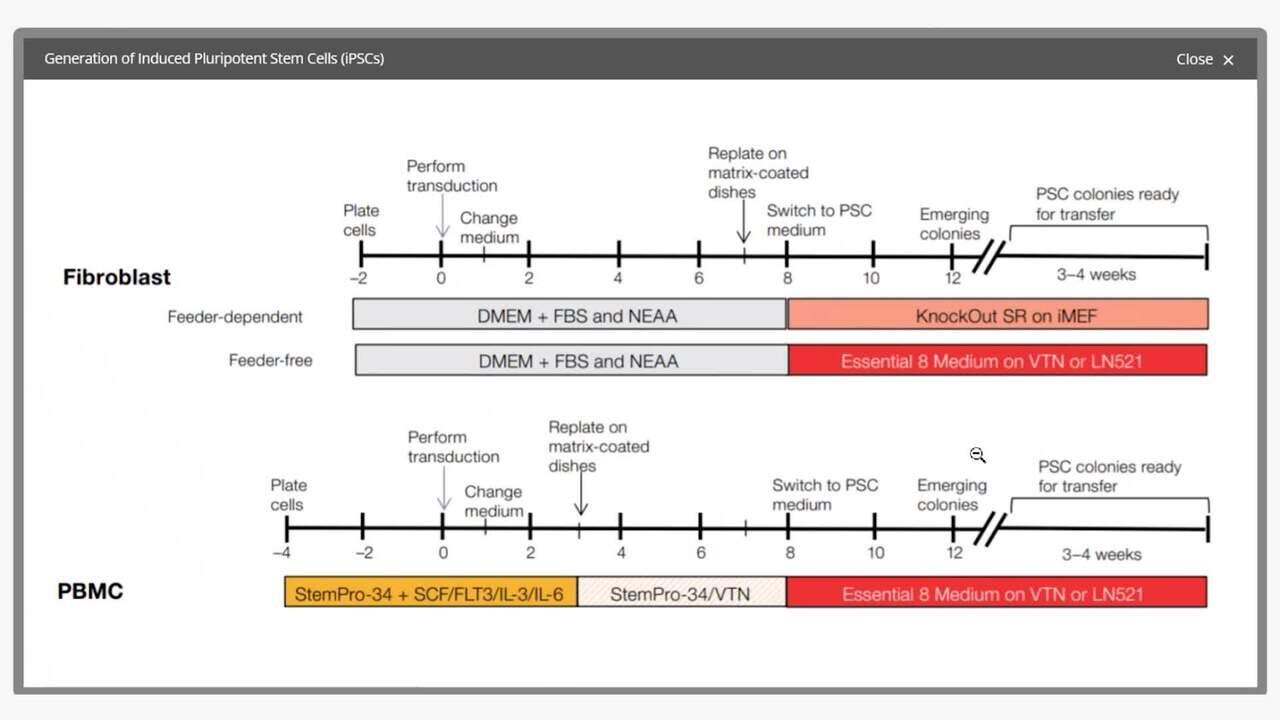
eLearn Module1-如何重编程得到iPSC
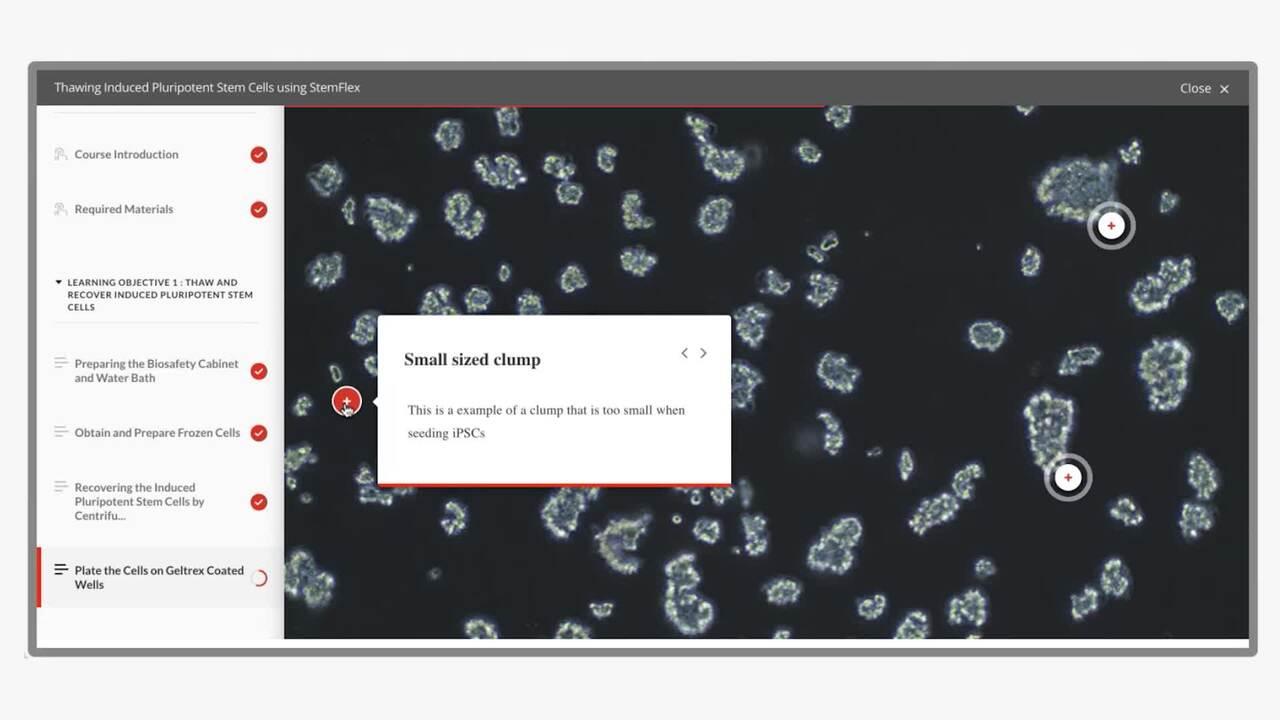
eLearn Module2-如何用StemFlex解冻复苏iPSC
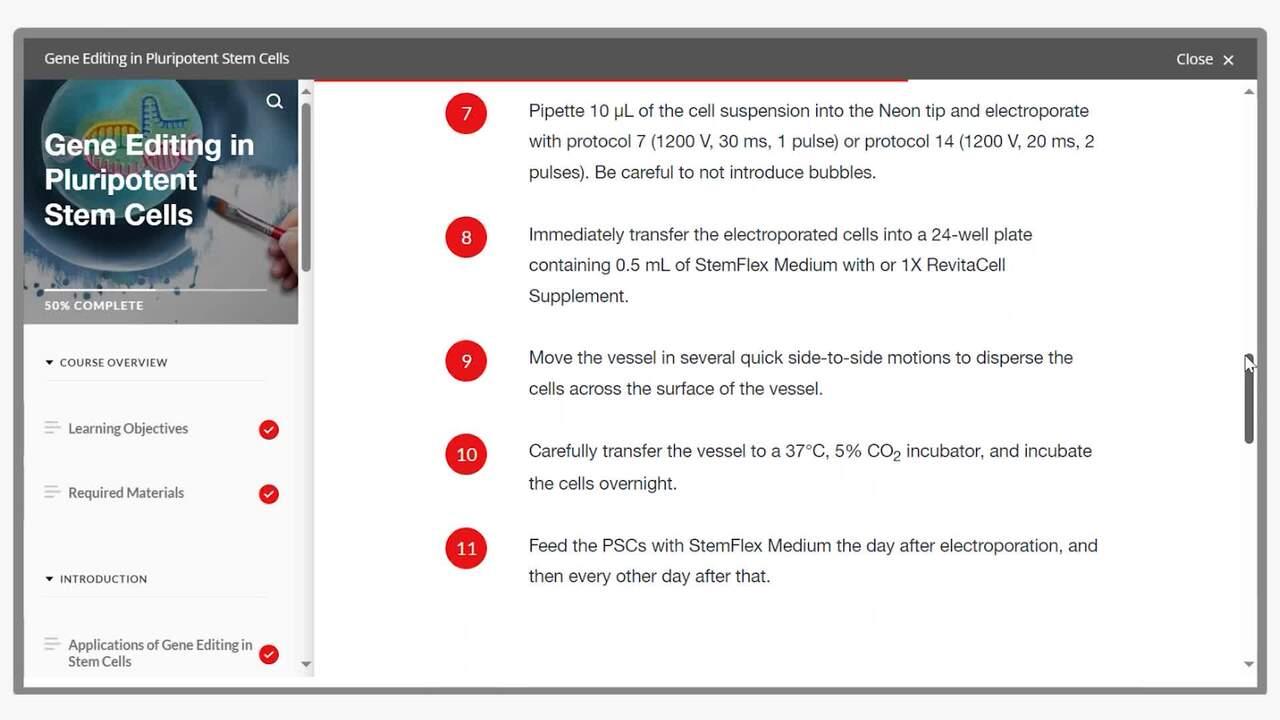
eLearn Module3-如何对iPSC进行基因编辑
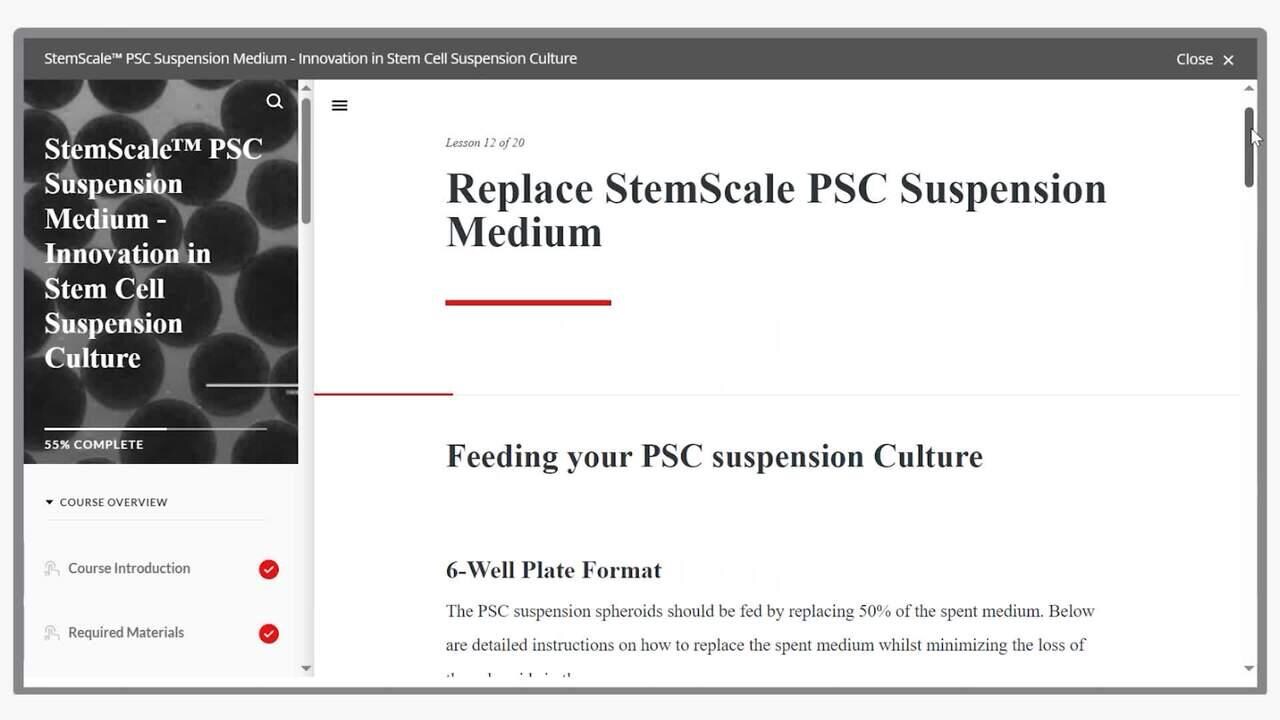
eLearn Module4-如何用StemScale实现3D悬浮培养
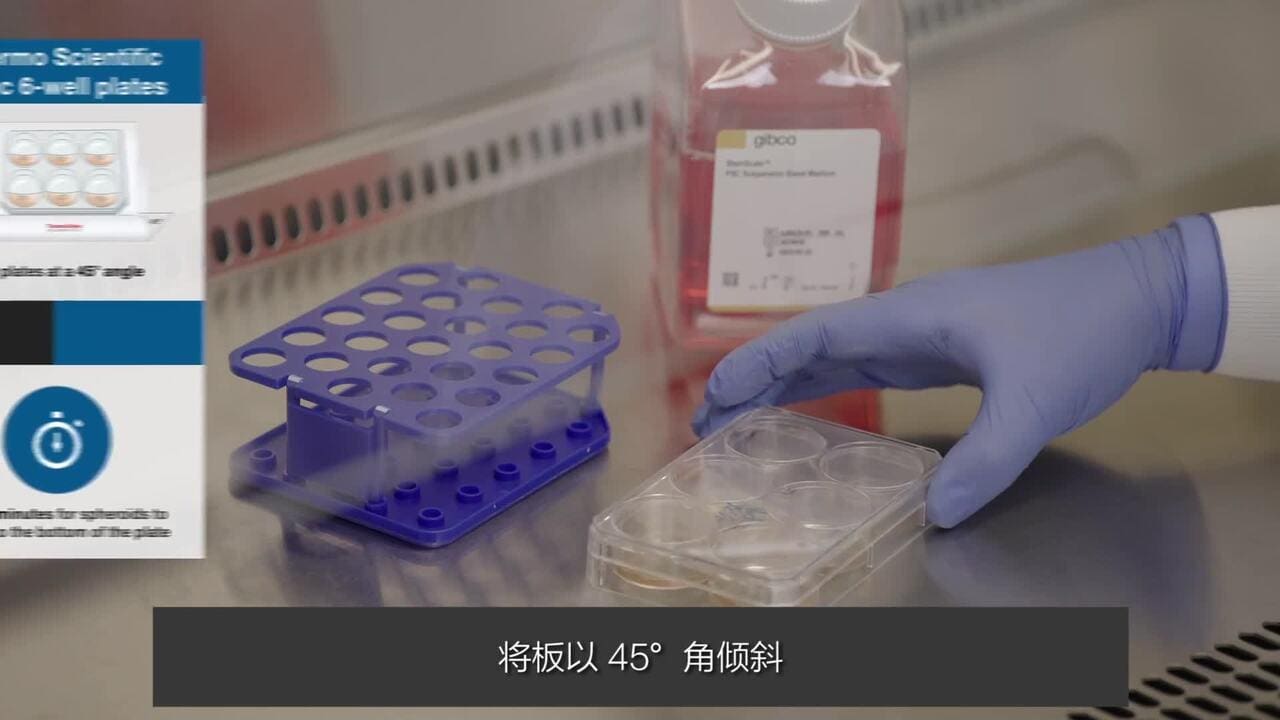
如何高效培养干细胞来源的类器官-1
如何高效培养干细胞来源的类器官-2
讲座合集:干细胞实验技巧Next Level
- 第一期
- 第二期
- 第三期
- 第四期
- 第五期
- 第六期
- 第七期

活动介绍
《干细胞“飞”正式会谈》系列沙龙旨在邀请来自不同区域、不同院校的资深研究员、赛默飞技术专家和年轻学生们共聚一堂,就大家普遍关心的干细胞领域前沿研究、方法选择和实验技巧,展开积极讨论,通过分享讲解、对话互动和答疑解惑,为干细胞研究领域的新生力量们注入活力。
首期沙龙我们邀请到了复旦大学青年研究员邵志成博士、赛默飞资深技术专家唐子华、陈秋如博士,聚焦“多能干细胞与类器官技术”做分享交流。扫描下方二维码即可获取沙龙内容回放。


活动介绍
探索干细胞治疗的前沿创新,加入赛默飞于2024年8月21日举办的线上直播活动“飞凡探索:聚焦干细胞治疗的工艺创新与开发”。来自跃赛生物、赛默飞世尔科技和精缮生物的行业专家会在本次讲座中分享他们在人多能干细胞治疗的药物工艺开发、大规模PSC悬浮扩增技术等方面的最新进展和见解。
演讲内容
人多能干细胞衍生产品治疗神经退行性疾病的工艺与临床开发策略
陈丽娟,跃赛生物代理首席执行官/首席运营官
PSC来源的细胞治疗:从原料选择到工艺放大
周静,赛默飞世尔科技资深产品技术专家
Liter-scale spheroid expansion with CTS StemScale PSC Suspension Medium
Michael Akenhead, 赛默飞世尔科技资深研发科学家
iPSC及其衍生细胞药物的工艺开发要点
丛伟立,精缮生物工艺和生产VP
扫描下方二维码即可获取讲座回放,与专家面对面交流,获取最前沿的干细胞治疗知识。


活动介绍
2024年11月21-22日,赛默飞亮相广州InnoXBio2024第二届大湾区细胞基因治疗发展论坛,重磅介绍更加完整的免疫细胞和干细胞治疗解决方案,助力您的科学研究顺利推向临床及商业化。
演讲内容
PSC来源的细胞治疗:从原料选择到工艺放大 - 以 PSC 球状体分化生成 iNK 细胞为例
袁森,赛默飞资深产品技术专家


活动介绍
2024年12月17日,赛默飞携手药时代,共邀三启生物CTO 杨佳银博士、泽辉辰星质量总监单晓鹏先生以及来自赛默飞的资深产品技术专家姜雨博士和房强博士,和大家一起解读诱导多能干细胞(iPSC)在细胞治疗领域的突破性进展,以及工艺优化中的关键技术。
演讲内容
从ASH年会看iPSC源免疫细胞药物最新进展
杨佳银 博士「三启生物CTO」
PSC来源的细胞治疗:从原料选择到CMC规划
姜雨 博士「赛默飞世尔科技资深产品技术专家」
CTS StemScale:大规模悬浮培养助力干细胞治疗
房强 博士「赛默飞世尔科技资深产品技术专家」
细胞治疗产品控制策略
单晓鹏 先生「泽辉辰星质量总监」
扫描下方二维码即可获取讲座回放,与专家面对面交流,获取最前沿的干细胞治疗知识。


活动介绍
《干细胞“飞”正式会谈》系列沙龙旨在邀请来自不同区域、不同院校的资深研究员、赛默飞技术专家和年轻学生们共聚一堂,就大家普遍关心的干细胞领域前沿研究、方法选择和实验技巧,展开积极讨论,通过分享讲解、对话互动和答疑解惑,为干细胞研究领域的新生力量们注入活力。
第二期沙龙我们邀请到了深圳湾实验室特聘研究员张喆博士、助理研究员韩鹏博士和赛默飞产品技术专家赵卜司博士,聚焦“多能干细胞与疾病模型构建”做分享交流。
扫描下方二维码即可获取沙龙内容回放。


活动介绍
2025年7月9日,赛默飞举办了“优化iPSC衍生细胞疗法的开发流程”主题网络研讨会,赛默飞多位高位科学家及研发,现场应用专家集结一堂,旨在帮助与会者应对iPSC衍生细胞疗法开发中的一系列瓶颈问题。
研讨会以iPSC衍生的CAR-NK细胞(iNK)为例,从 iPSC培养与规模化的成功解决方案出发,随后探讨从iPSC分化为造血干细胞(HSPC)再分化为NK细胞的多步骤优化protocol。
您将了解到:
- iPSC培养扩增/规模化过程中如何维持细胞活力和功能
- 规避污染风险并确保无菌操作环境
- 从复杂分化方案中选择最优protocol
- 精准控制向特定细胞类型的分化
- 通过定制化解决方案应对法规、生产和物流挑战
扫描下方二维码即可获取沙龙内容回放。


活动介绍
《干细胞“飞”正式会谈》系列沙龙旨在邀请来自不同区域、不同院校的资深研究员、赛默飞技术专家和年轻学生们共聚一堂,就大家普遍关心的干细胞领域前沿研究、方法选择和实验技巧,展开积极讨论,通过分享讲解、对话互动和答疑解惑,为干细胞研究领域的新生力量们注入活力。
第三期沙龙已经于2025年12月22日14:00-15:00圆满完成,我们邀请到了赛默飞生命科学技术专家 陈秋如、王娟,聚焦“3D类器官模型构建与分析”做分享交流
扫描下方二维码即可获取沙龙内容回放。

Gibco B-27/N2产品问卷调研

赛默飞即日发起Gibco B-27/N2产品问卷调研,扫码参与调研即有机会获取赛默飞会员中心积分或精美礼品!活动时间: 2025年4月14日-2025年4月27日。

资源
仅供科研使用,不可用于诊断目的。